
The 5-Shot Pattern for Winning Rallies
Successful pickleball points often follow a predictable tactical sequence. By focusing on a specific 5-shot pattern, you can build points systematically and force your opponents into making high-risk errors.
Shots 1 and 2: The Foundation
The pattern begins with a deep, consistent serve (Shot 1) followed by a deep return of serve (Shot 2). The goal here is not to win the point immediately, but to force the opponent back and keep them away from the kitchen line.
Shot 3: The Transition
Shot 3 is the critical junction. Usually a third shot drop, its purpose is to bounce in the opponent's kitchen. This neutralizes their ability to attack and gives the serving team the opportunity to move forward from the baseline.
Shots 4 and 5: Closing the Point
Shot 4 is the opponent's response to your drop, usually a dink or a forced lift. Shot 5 is your opportunity to establish dominance at the kitchen. By completing these five shots successfully, you have reached the net and neutralized the point.
Level Up Your Game
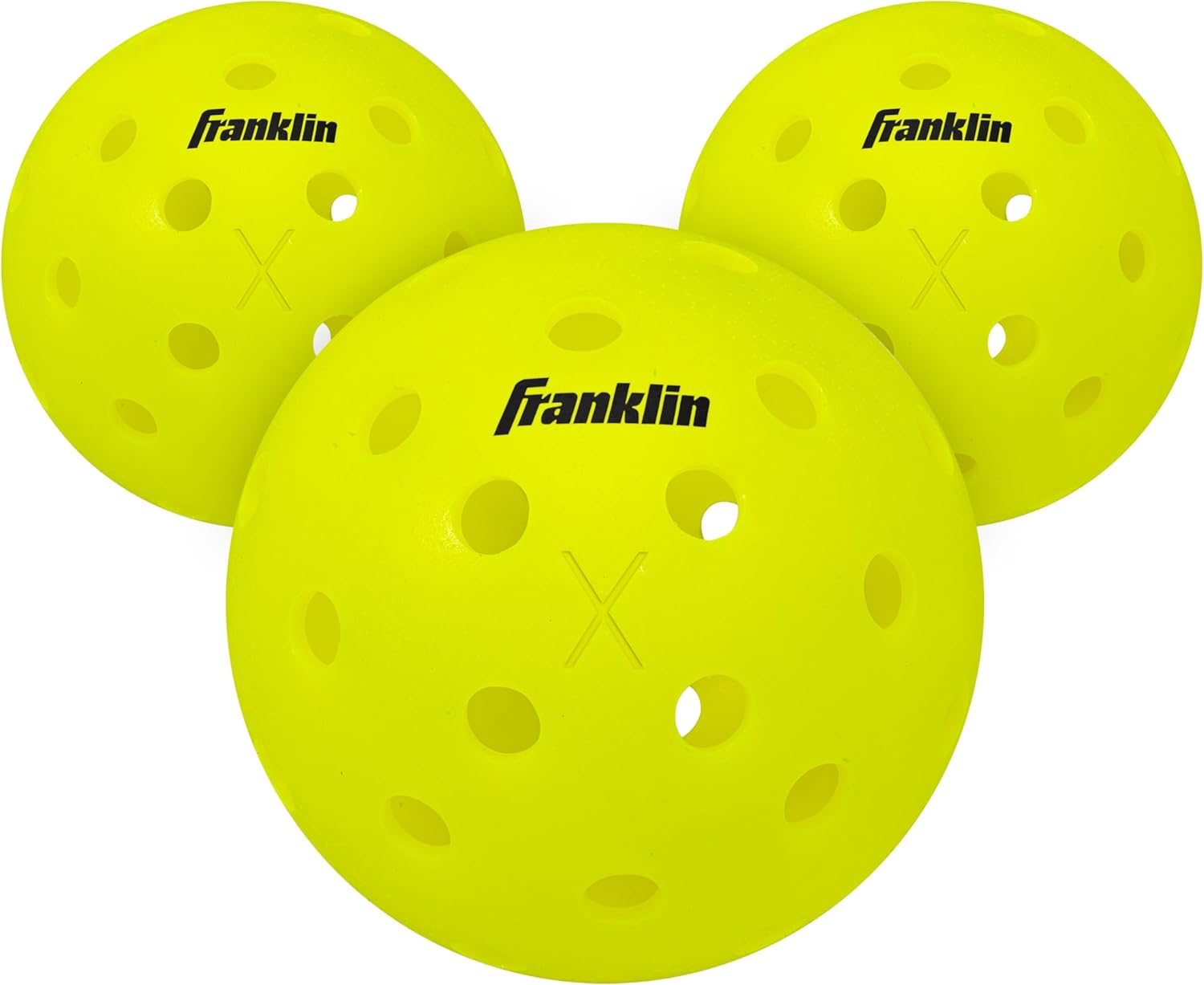
The standard outdoor ball. Practice what you learn with the same ball used in most open play.
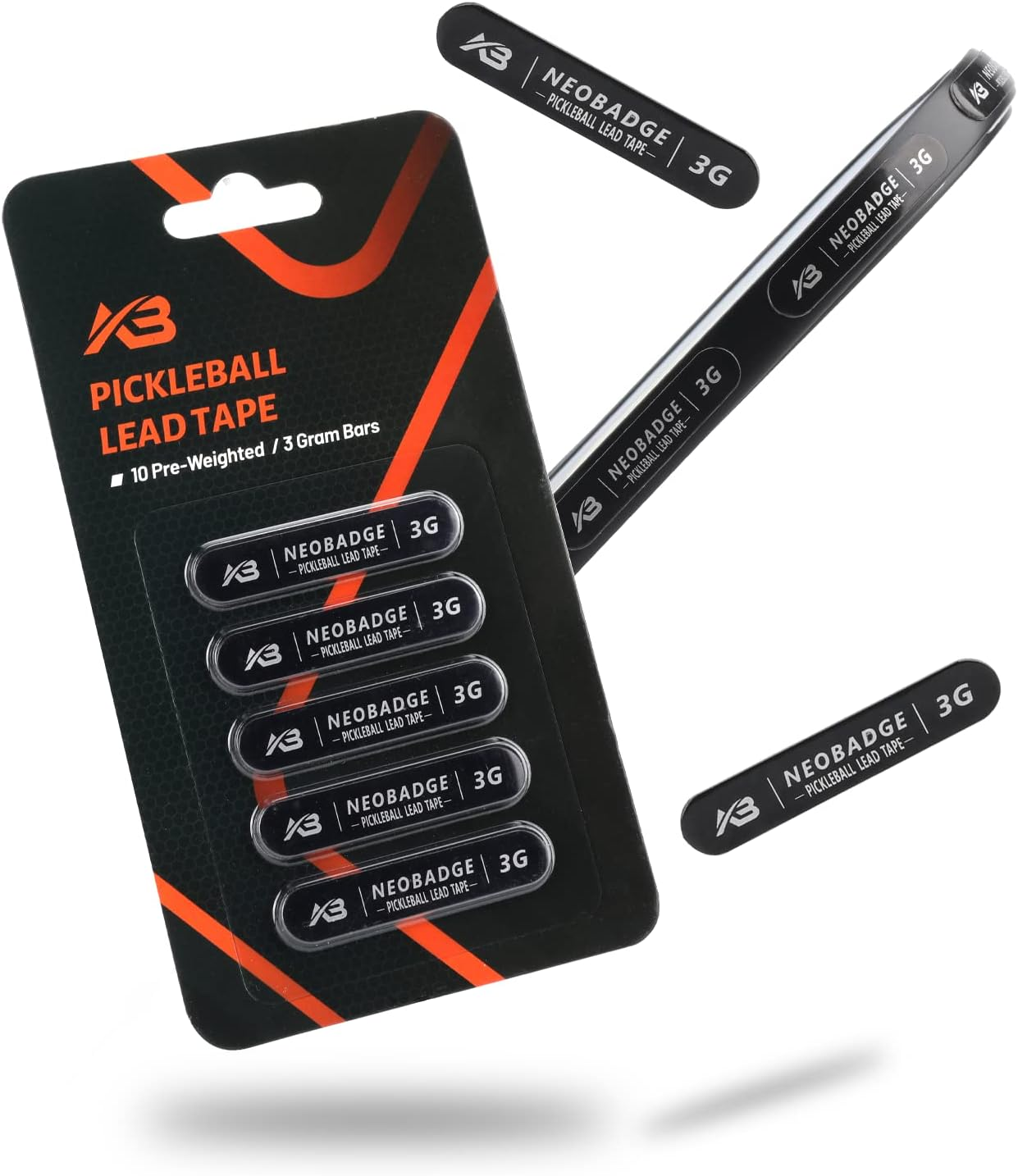
The $8 experiment that often outperforms a $200 paddle swap. Tune weight and balance.
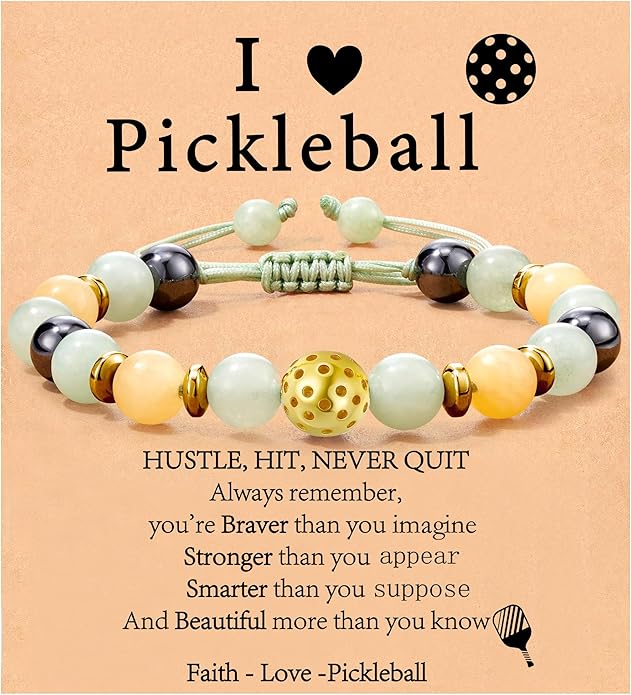
Identify your paddle at crowded courts. 500+ bought per month — the most popular accessory.
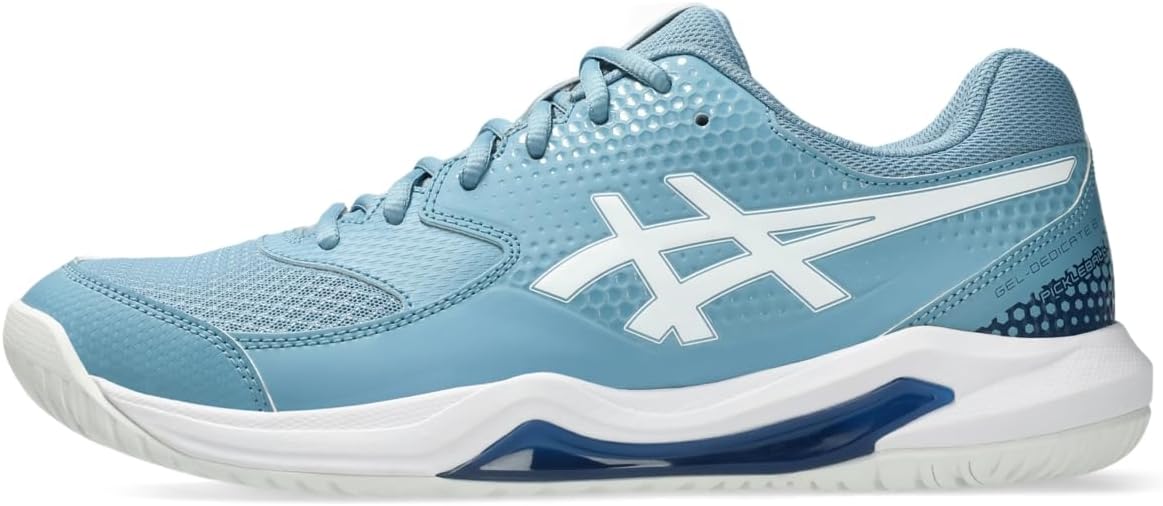
Court-specific lateral support. Learning proper footwork starts with the right shoe.
Frequently Asked Questions
What if I miss Shot 3?
If you miss the third shot drop (it goes high), you must stay back and defend the 'fifth shot.' The 5-shot pattern is a goal, but you must react to the actual quality of the shots played.
Can Shot 3 be a drive?
Yes. A hard drive can be Shot 3 in the pattern, with Shot 5 then becoming the 'drop' shot that allows you to move to the net. This is often called a 'drive-drop' sequence.
Why is Shot 2 so important?
A deep return (Shot 2) makes the opponent's third shot much harder. If your return is short, they can easily step in and hit an aggressive shot, breaking your pattern.
How do I practice this sequence?
Practice with a partner by starting points with a serve and focusing only on reaching the kitchen line together. If you both reach the kitchen through controlled shots, consider the drill a success.
Master the Rules — Get the Complete Guide
The Pickleballers Next Door rulebook covers every rule in plain English — kitchen faults, serving violations, scoring, stacking, and more.
Available on Kindle and in print
Pickleballers Next Door Podcast
Court tips, gear reviews, player stories, and rules deep-dives — every week. Listen free wherever you get your podcasts.
Listen Free at PickleballersNextDoor.comHave a Rules Question?
Submit your pickleball rules question and we may answer it in an upcoming guide or podcast episode.