
Hydration for Pickleball Players — What to Drink and When
Disclaimer: The information on this page is for general educational purposes only and is not intended as medical advice. Always consult a qualified physician or licensed healthcare provider before starting any new exercise, stretching, nutrition, or recovery program — especially if you have an existing injury, medical condition, or health concern.
Dehydration degrades pickleball performance faster than almost any other factor. A 2% drop in body water causes measurable declines in reaction time, decision-making, and muscle coordination — exactly the skills pickleball demands. Most recreational players start play mildly dehydrated and never catch up. This guide covers what to drink, when to drink it, and which electrolyte products actually work.
Before You Play — Pre-Hydration
Hydration starts 2–3 hours before play, not when you walk on the court. Drink 16–20 oz of water in the hours before your session. If playing in heat or after a gap since your last drink, add an electrolyte tablet or drink 30 minutes before play. Avoid alcohol the night before morning play — it disrupts sleep and causes significant dehydration.
During Play — Drink to Thirst, Not a Schedule
Modern sports science has moved away from rigid hydration schedules toward drinking to thirst. Sip water between games or during changeovers — typically every 15–20 minutes. In hot or humid conditions, or sessions over 60 minutes, switch to a sports drink or water with electrolytes. The key electrolytes to replace during sustained play are sodium, potassium, and magnesium.
What Actually Counts as Hydration
Water, sports drinks, coconut water, and electrolyte mixes all count. Coffee and tea are mildly diuretic but still contribute net hydration — a morning coffee before play is fine. Alcohol does not count and accelerates dehydration. Energy drinks with high caffeine should be avoided during play — they mask fatigue signals and increase dehydration risk.
Signs of Dehydration on Court
Watch for: dry mouth, reduced urine output or dark yellow urine, headache, muscle cramps (especially calf cramps mid-game), declining shot accuracy, slower reaction time, and irritability. If you notice cramps during play, sip an electrolyte drink slowly — cramping is usually a sodium and magnesium deficit, not a water deficit alone.
Post-Play Rehydration
Weigh yourself before and after a long outdoor session in heat — each pound lost represents approximately 16 oz of fluid to replace. Drink 150% of your estimated fluid loss over the 2–4 hours after play. Include sodium (from food or a sports drink) to help retain the fluid you consume. Plain water without sodium causes you to lose some of what you drink through increased urination.
Recovery & Wellness Gear
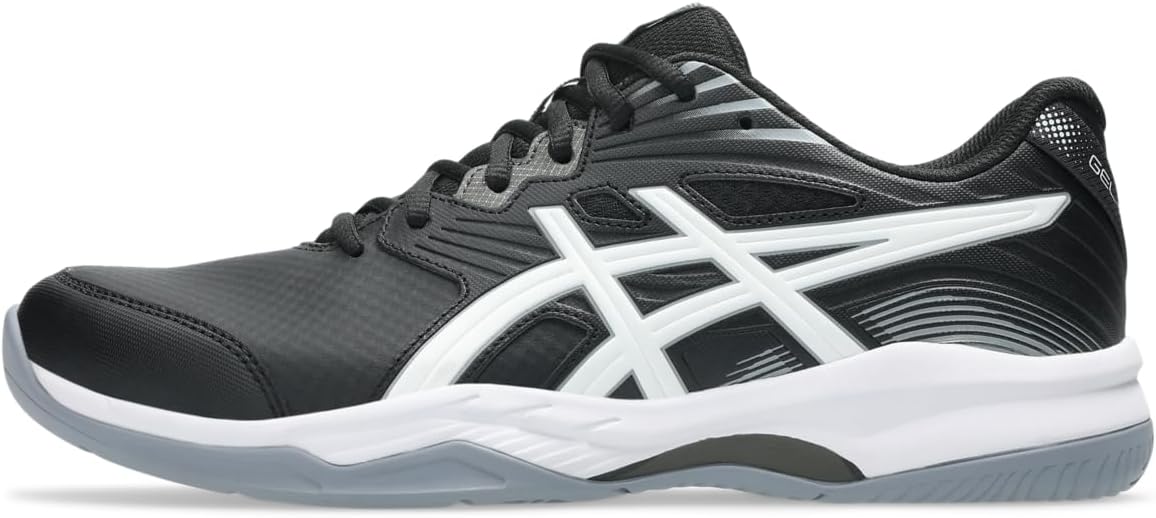
Built for higher-frequency play — more durable construction for players on the court 3x+ per week.
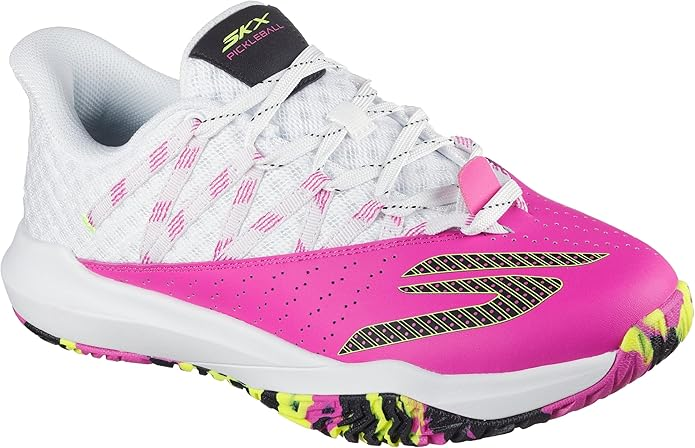
Comfort-forward cushioning for long sessions. Great for players who prioritize feel.
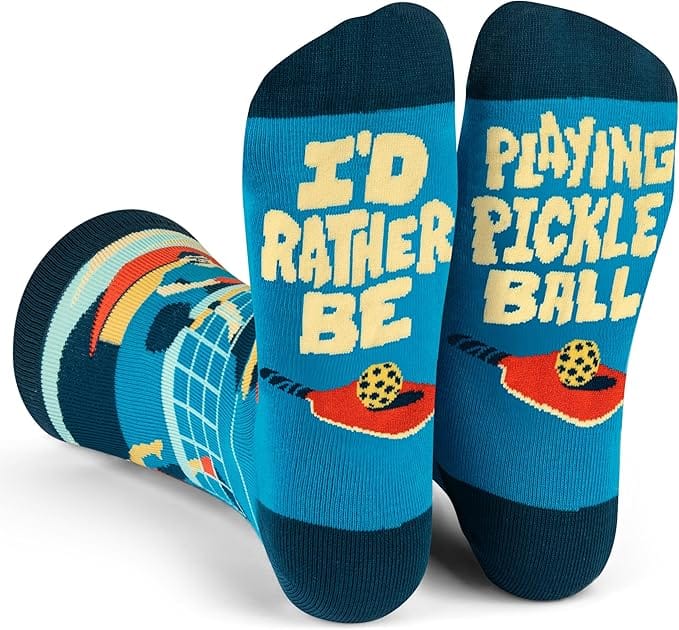
Complete sweat management — towel wristbands and headband. A functional court essential.
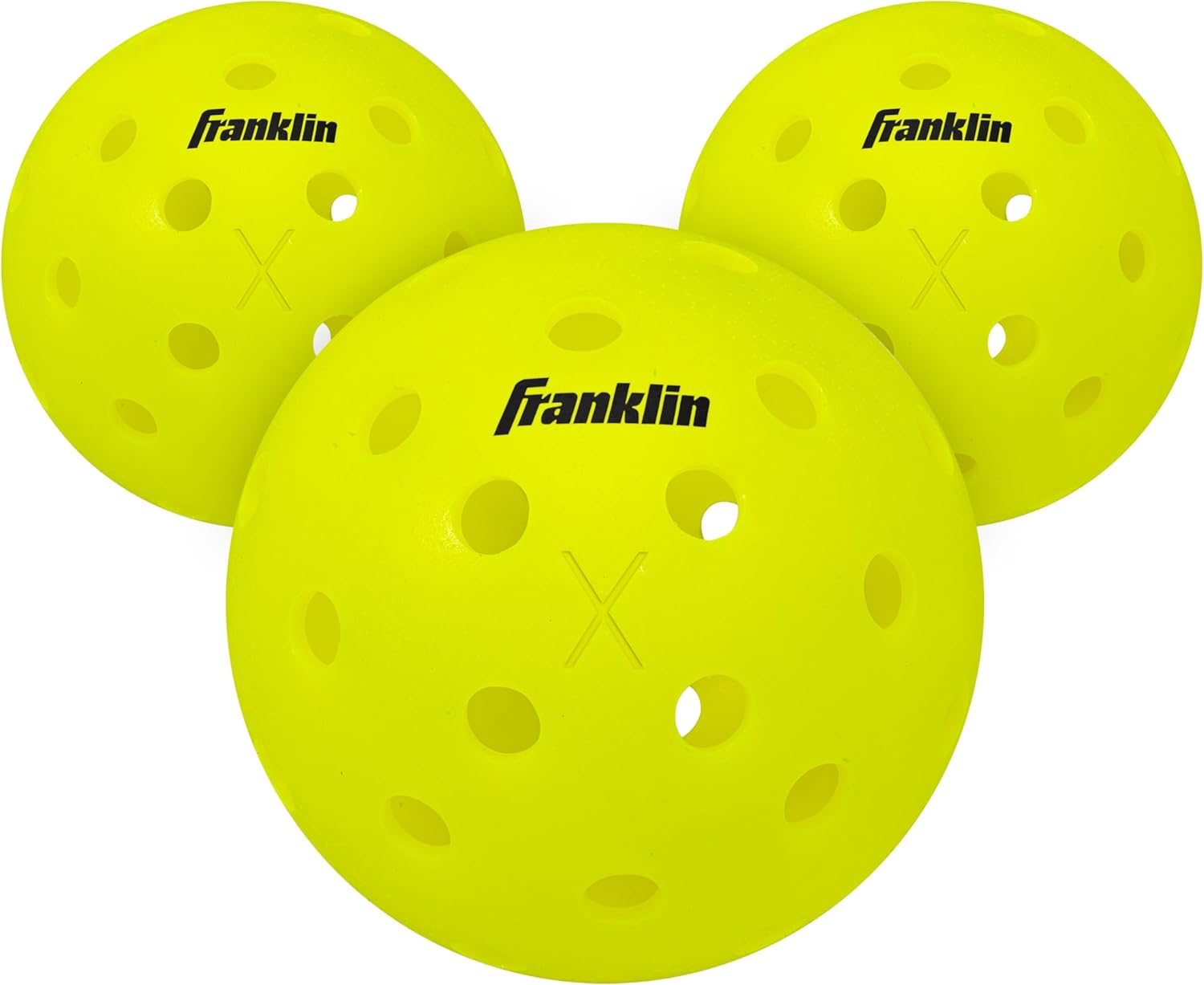
Keep fresh balls in rotation. Hard outdoor balls lose bounce faster than most players realize.
Frequently Asked Questions
Are electrolyte drinks better than water for pickleball?
For sessions under 45–60 minutes in moderate conditions, water is sufficient. For longer sessions, hot weather, or players who sweat heavily, electrolyte drinks are meaningfully better — sodium and potassium help maintain fluid balance and prevent cramping. Electrolyte tablets or powders added to water are more cost-effective than bottled sports drinks.
What is the best electrolyte drink for pickleball?
Look for products with meaningful sodium (200–400mg per serving), potassium, and magnesium. LMNT, Nuun, Liquid IV, and Pedialyte Sport are popular with athletes. Avoid drinks with excessive sugar — a good electrolyte drink should have under 10g of sugar per serving. Many players mix their own using electrolyte powder in water.
Can I drink coffee before pickleball?
Yes. Moderate caffeine (1–2 cups) before play can improve reaction time and reduce perceived exertion. The diuretic effect of coffee is mild and offset by the fluid in the drink itself. Just make sure coffee is in addition to, not instead of, your pre-play water intake.
Why do I get calf cramps during pickleball?
Calf cramps during play are almost always a combination of dehydration, low sodium, and muscle fatigue. Prevention: pre-hydrate with sodium 30 minutes before play, stretch calves before play, and keep an electrolyte drink courtside. If cramping persists across sessions, a magnesium supplement (glycinate form) taken nightly has strong evidence for reducing exercise-associated cramping.
Pickleballers Next Door Podcast
Court tips, gear reviews, player stories, and rules deep-dives — every week. Listen free wherever you get your podcasts.
Listen Free at PickleballersNextDoor.comHave a Recovery Tip or Question?
Share what's working for your body — we may feature it on the podcast or in a future guide.