
Pickleball Injury Prevention — Stay on the Court Longer
Disclaimer: The information on this page is for general educational purposes only and is not intended as medical advice. Always consult a qualified physician or licensed healthcare provider before starting any new exercise, stretching, nutrition, or recovery program — especially if you have an existing injury, medical condition, or health concern.
Pickleball's rapid growth has brought a parallel rise in pickleball-specific injuries. Emergency room visits from pickleball have increased sharply — particularly among players over 50, who make up the sport's largest demographic. Most pickleball injuries are preventable with the right warmup, equipment, and movement habits. This guide covers the four most common injury sites and the specific steps to protect each one.
Pickleball Elbow (Lateral Epicondylitis)
The most common pickleball overuse injury. Caused by repetitive gripping and wrist extension — particularly on backhand shots and dinks. Prevention: wrist flexor and extensor stretches before every session, proper paddle grip (avoid gripping too tightly — a relaxed grip reduces forearm load significantly), forearm strengthening with resistance bands or a stress ball between sessions, and taking rest days when the lateral elbow feels tender. If pain develops, ice after play and consider a counterforce brace worn during sessions.
Knee Injuries — Patellar Tendinitis and Meniscus Strain
The kitchen crouch and repeated lateral direction changes stress the knee joint and supporting tendons. Prevention: strengthen the muscles around the knee — particularly the quadriceps and glutes — with exercises like wall sits, step-downs, and lateral band walks. Wear pickleball-specific court shoes with lateral support (running shoes are not adequate for pickleball's side-to-side demands). Avoid playing on hard outdoor concrete for extended sessions when possible — cushioned Sport Court surfaces are meaningfully easier on knees.
Ankle Sprains
Ankle sprains are the most acute (sudden onset) injury in pickleball, typically from lateral direction changes or stepping on a ball. Prevention: court shoes with ankle support, ankle strengthening exercises (single-leg balance, resistance band dorsiflexion), and proprioception training (standing on one leg for 30 seconds, progressing to unstable surfaces). Players with a history of ankle sprains should consider a lightweight ankle brace during play — they reduce re-sprain risk significantly without limiting performance.
Shoulder Injuries — Rotator Cuff Strain
Overhead lobs, serving motion, and reaching volleys stress the rotator cuff. Rotator cuff injuries are particularly common in players over 60. Prevention: rotator cuff strengthening with resistance bands (internal and external rotation exercises, 3 sets of 15 reps, 3x per week), full shoulder warmup before play, and avoiding overhead smashes when shoulder fatigue sets in. If shoulder pain develops during or after play, it warrants evaluation — rotator cuff tears that go unaddressed become surgical problems.
General Injury Prevention Principles
Across all injury types, three factors consistently reduce risk: proper warmup (5–10 minutes of dynamic movement before play), appropriate footwear (court-specific shoes, not running shoes), and progressive load management (don't dramatically increase session frequency or intensity week-over-week). New players are particularly vulnerable — the desire to play every day before the body has adapted to the sport's demands is a common injury setup.
Recovery & Wellness Gear
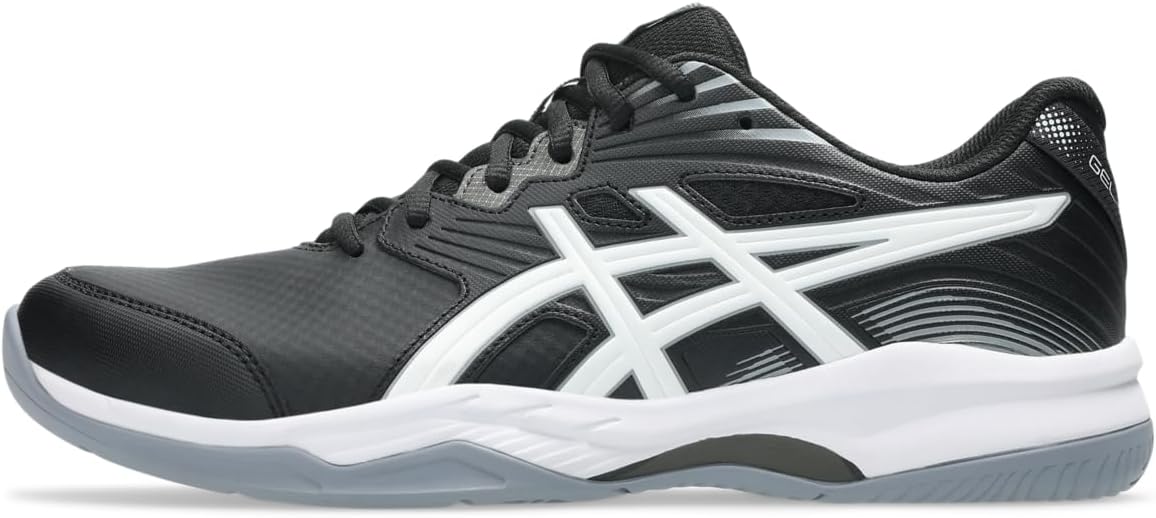
Built for higher-frequency play — more durable construction for players on the court 3x+ per week.
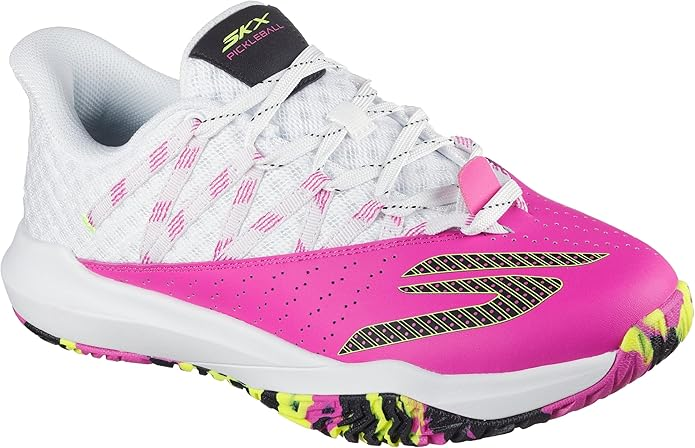
Comfort-forward cushioning for long sessions. Great for players who prioritize feel.
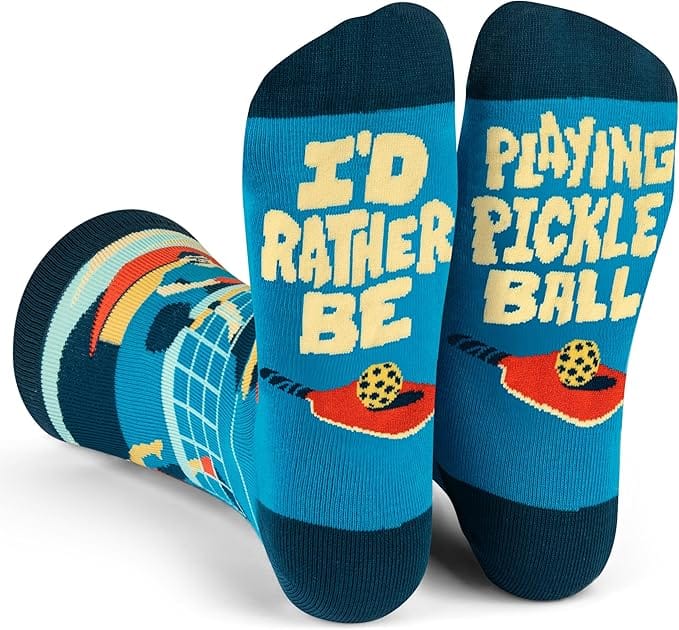
Complete sweat management — towel wristbands and headband. A functional court essential.
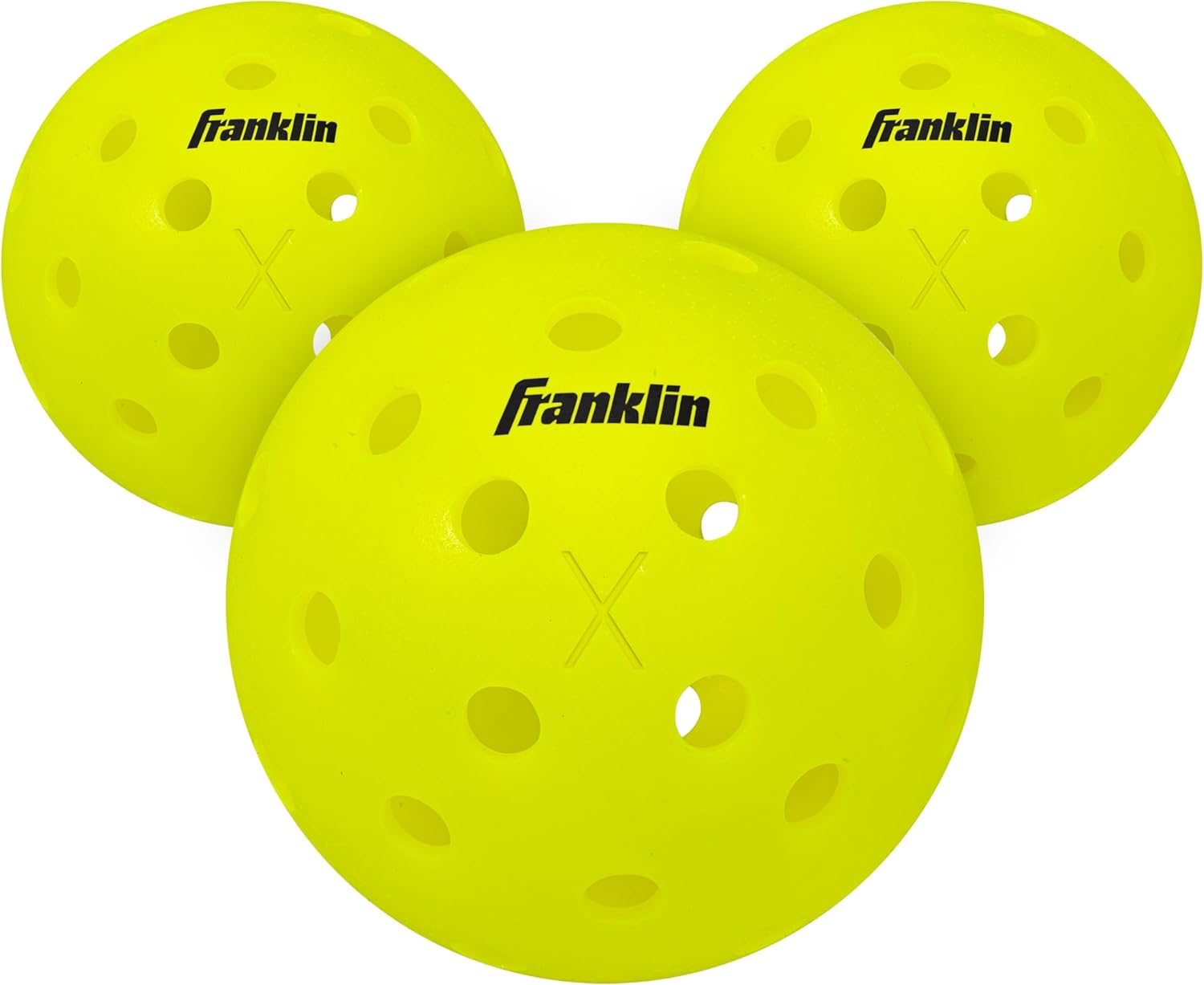
Keep fresh balls in rotation. Hard outdoor balls lose bounce faster than most players realize.
Frequently Asked Questions
What is the most common pickleball injury?
Lateral epicondylitis (pickleball elbow or tennis elbow) is the most common overuse injury. Ankle sprains are the most common acute injury. Both are highly preventable with proper warmup, equipment, and technique.
Should I play through pickleball elbow pain?
Mild elbow soreness after play can be managed with ice, rest, and stretching. Sharp pain during play, or pain that persists more than 5 days, warrants rest and professional evaluation. Playing through acute elbow pain typically extends recovery time significantly — what might resolve in 2 weeks with rest can become a 3-month problem if ignored.
Are running shoes okay for pickleball?
No. Running shoes are designed for forward motion and lack the lateral stability pickleball demands. Playing pickleball in running shoes significantly increases ankle sprain risk and reduces knee support during direction changes. Court shoes (designed for tennis, pickleball, or indoor court sports) are the correct footwear — they provide lateral support and non-slip outsoles.
How do I know if my pickleball injury needs a doctor?
See a doctor if you experience: sharp or shooting pain during play, swelling that doesn't reduce within 48 hours, inability to bear weight on a joint, pain that prevents normal daily activity, or any symptom that recurs across multiple sessions in the same location. For the elbow and shoulder specifically, early evaluation prevents small problems from becoming surgical ones.
Can older players prevent pickleball injuries as effectively as younger players?
Yes — and it matters more. Players over 50 have longer recovery times and higher injury severity when injuries occur. The same preventive strategies apply, but consistency is more important. A regular warmup, cooldown, and strength-maintenance routine between sessions pays larger dividends for older players than for younger ones.
Pickleballers Next Door Podcast
Court tips, gear reviews, player stories, and rules deep-dives — every week. Listen free wherever you get your podcasts.
Listen Free at PickleballersNextDoor.comHave a Recovery Tip or Question?
Share what's working for your body — we may feature it on the podcast or in a future guide.