
The Kitchen Game and Dinking Strategy
Winning at the kitchen requires more than just quick reflexes; it demands patience and precision. Mastering the dink allows you to neutralize aggressive opponents and wait for the perfect opportunity to attack.
The Purpose of the Dink
A dink is a soft shot hit from the kitchen line that lands in the opponent's kitchen. The primary goal is to keep the ball low so your opponent cannot hit a downward, aggressive shot. It forces them to hit upward, potentially giving you a high ball to put away.
Footwork and Positioning
When dinking, stay low with your knees bent and keep your paddle out in front of your body. Avoid taking large steps; instead, use small adjustment steps to stay balanced. Always return to a neutral 'ready position' after every shot to react to speed-ups.
Targeting and Strategy
Don't just dink to the middle. Aim for your opponent's feet or their backhand. Creating angles can pull them out of position, opening up the middle of the court for a winning shot. Patience is key—wait for a ball that sits high before attacking.
Level Up Your Game
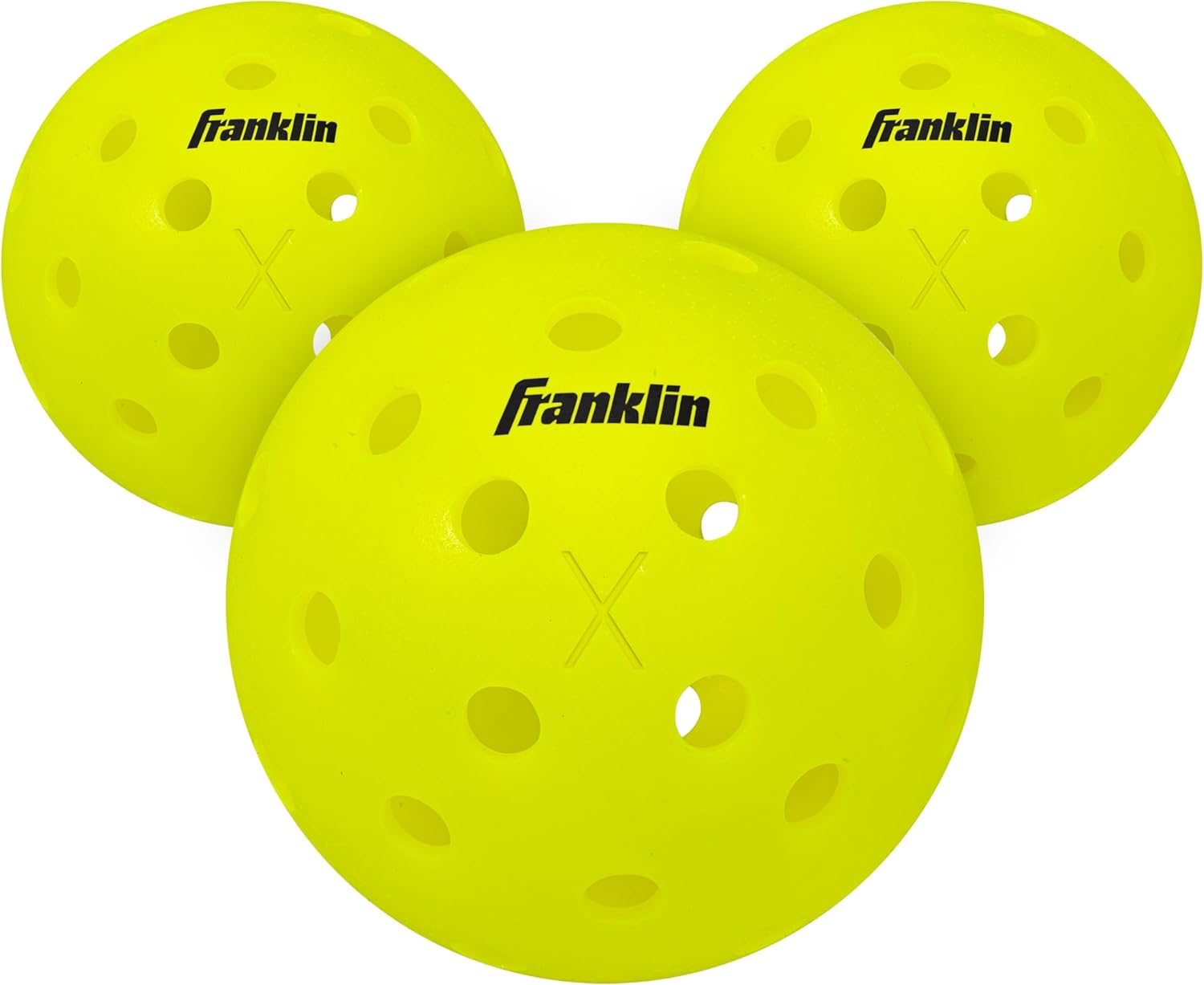
The standard outdoor ball. Practice what you learn with the same ball used in most open play.
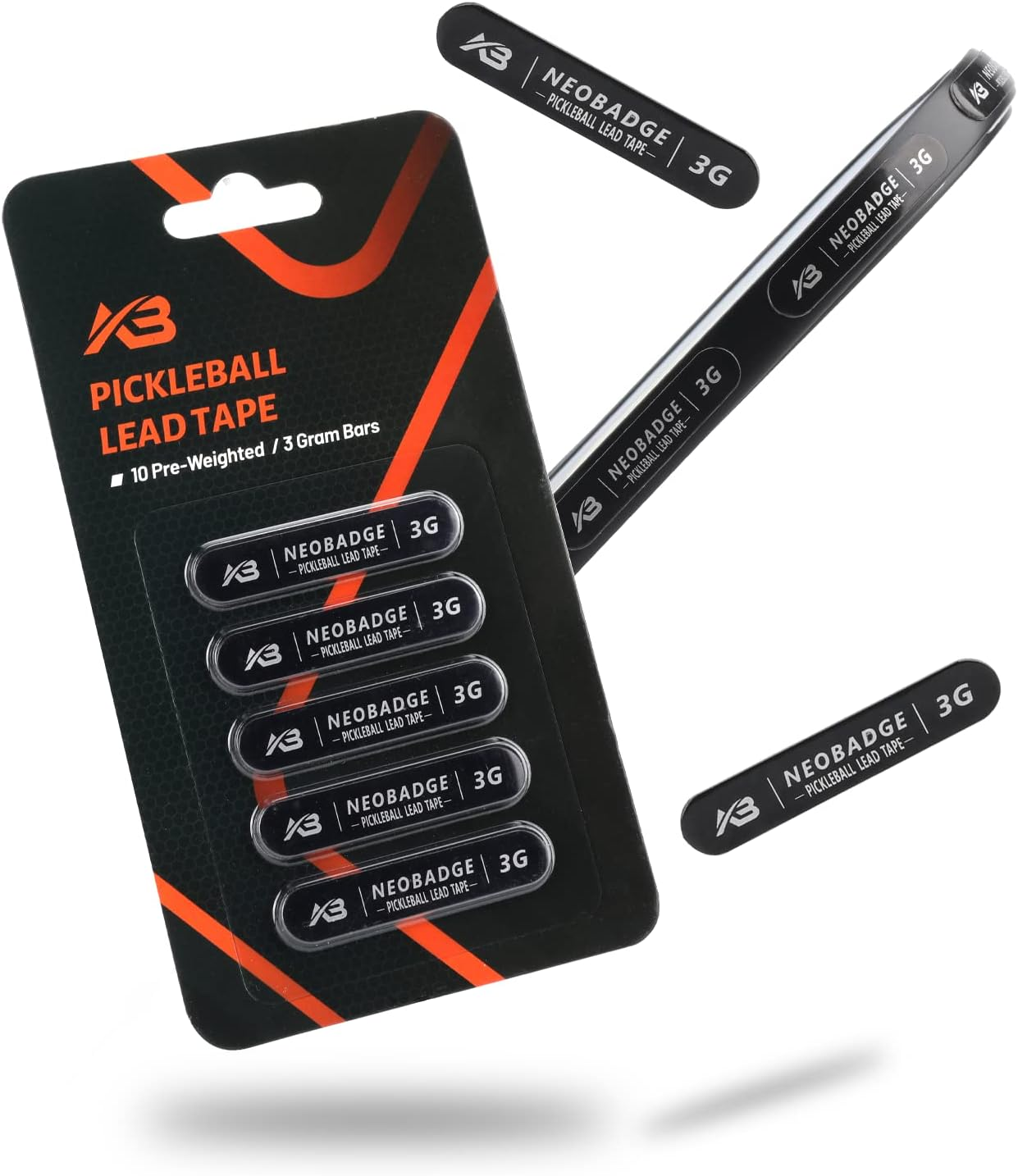
The $8 experiment that often outperforms a $200 paddle swap. Tune weight and balance.
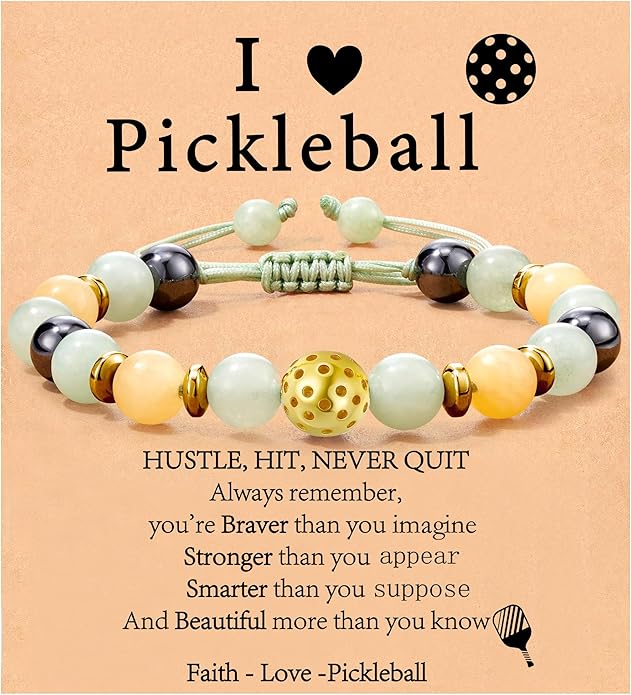
Identify your paddle at crowded courts. 500+ bought per month — the most popular accessory.

Court-specific lateral support. Learning proper footwork starts with the right shoe.
Frequently Asked Questions
Should I always dink cross-court?
Generally, yes. Dinking cross-court provides more margin for error because the net is lower in the middle and the court is longer diagonally. It also makes it harder for the opponent to attack down the line.
How do I handle a fast ball at the kitchen?
Keep your paddle steady and 'block' the ball rather than swinging. Use the opponent's pace to redirect the ball back into their kitchen. This is called a reset and is essential for surviving aggressive play.
When should I stop dinking and attack?
Attack when the ball is at or above net height. If you have to reach down to hit the ball, continue dinking. If you can strike the ball while it's high, look for an opening to speed it up at the opponent's shoulder or hip.
What is 'dead dinking'?
A dead dink is a shot with no purpose that sits up too high. To avoid this, focus on hitting the ball with a slight lifting motion and aim for the top of the kitchen line on the opponent's side.
Master the Rules — Get the Complete Guide
The Pickleballers Next Door rulebook covers every rule in plain English — kitchen faults, serving violations, scoring, stacking, and more.
Available on Kindle and in print
Pickleballers Next Door Podcast
Court tips, gear reviews, player stories, and rules deep-dives — every week. Listen free wherever you get your podcasts.
Listen Free at PickleballersNextDoor.comHave a Rules Question?
Submit your pickleball rules question and we may answer it in an upcoming guide or podcast episode.