
Pickleball Kitchen Rules Explained
The kitchen — formally called the Non-Volley Zone (NVZ) — is the 7-foot area on both sides of the net that defines pickleball strategy more than any other rule. New players routinely get called for kitchen faults. Experienced players use the kitchen to dominate rallies. Understanding exactly what is and isn't allowed in the kitchen is the single fastest way to improve your game.
What Is the Kitchen?
The kitchen (Non-Volley Zone) is the 7-foot-deep area extending from the net on both sides of the court. It is marked by the kitchen line — a line parallel to the net. The kitchen includes the line itself: stepping on the kitchen line counts as being in the kitchen.
The Core Kitchen Rule
You cannot volley the ball while you are in the kitchen or while any part of your body (or your paddle) touches the kitchen or the kitchen line. A volley is hitting the ball out of the air before it bounces. If the ball bounces in the kitchen, you may enter the kitchen to play it — but you must exit before volleying again.
Momentum Faults
Even if you jump to hit a volley from behind the kitchen line, your momentum cannot carry you into the kitchen after the shot. If your foot lands in the kitchen following a volley, it is a fault — even if the ball was struck from legal non-kitchen territory. This is the most commonly misunderstood kitchen rule.
Leaving the Kitchen
Once you enter the kitchen to play a bounced ball, you are permitted to stay there as long as you want — but you cannot volley while you're in there. Most players exit quickly to maintain kitchen-line position (the most strategic court position in pickleball).
Items That Count as Part of You
Your entire body, clothing, and paddle count as 'you' for kitchen rule purposes. If your hat falls off and lands in the kitchen during a volley, it is a fault. If your paddle crosses the kitchen line while you volley from behind it — that is a fault. The paddle face itself crossing the line on a volley is a violation.
Level Up Your Game
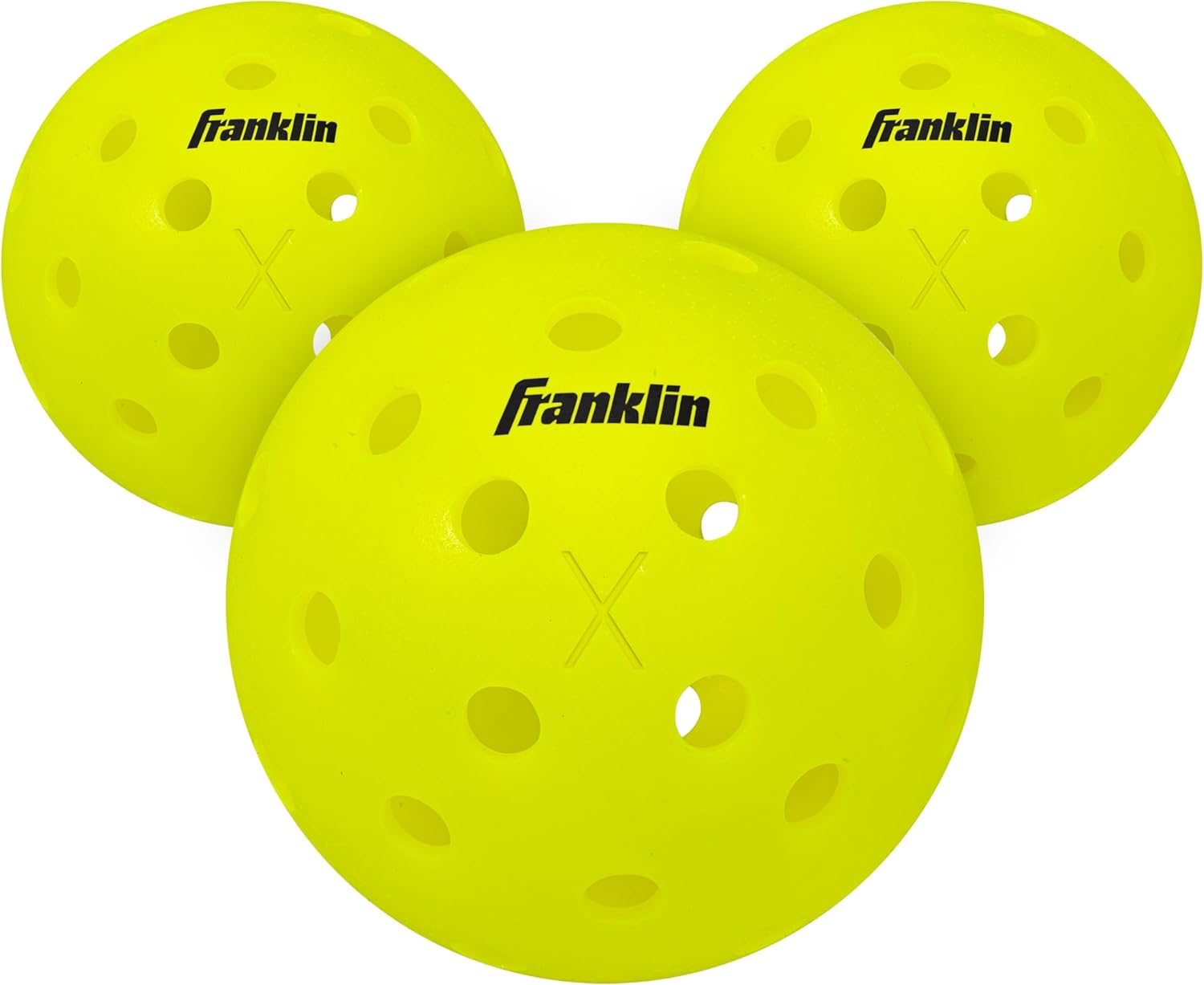
The standard outdoor ball. Practice what you learn with the same ball used in most open play.
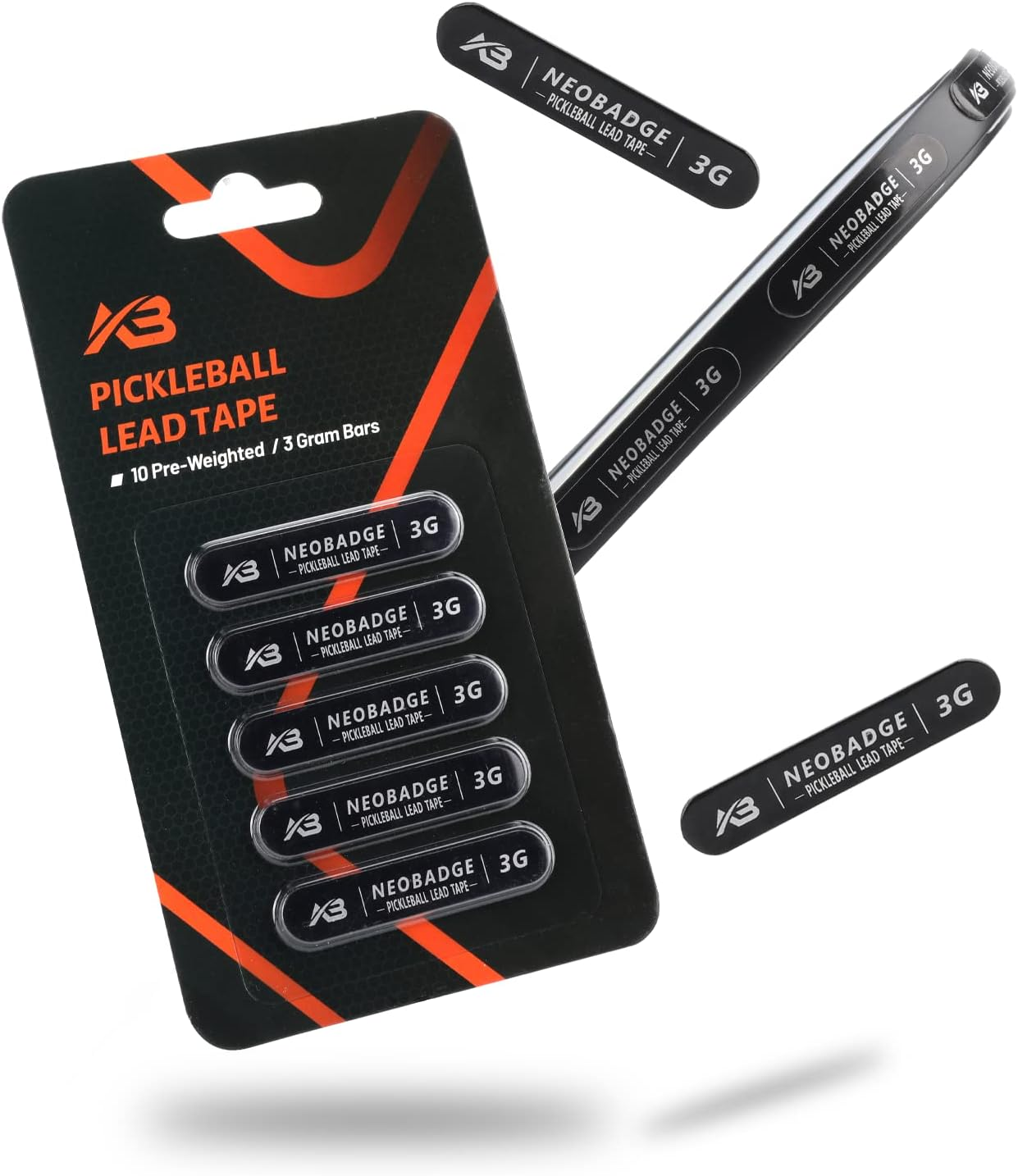
The $8 experiment that often outperforms a $200 paddle swap. Tune weight and balance.
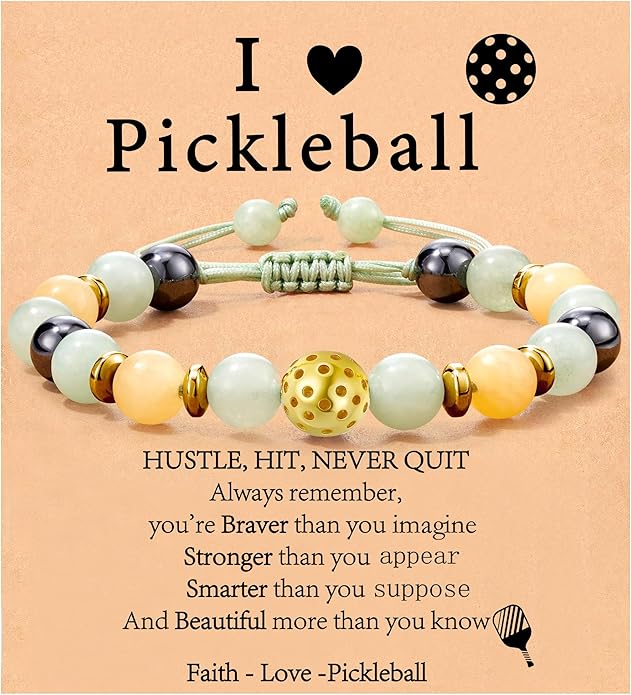
Identify your paddle at crowded courts. 500+ bought per month — the most popular accessory.

Court-specific lateral support. Learning proper footwork starts with the right shoe.
Frequently Asked Questions
Can I stand in the kitchen if I'm not volleying?
Yes. You can stand in the kitchen anytime — you just cannot volley (hit the ball out of the air) while you're in there or stepping on the kitchen line.
What happens if I accidentally step in the kitchen during a volley?
It is a fault, and the rally ends. The opposing team wins the point (or serves, depending on the scoring format). Faults are called by the player themselves in recreational play — in tournaments, referees make the call.
Can I reach over the kitchen line to volley without stepping in?
Yes — you can reach over the kitchen to hit a ball out of the air as long as your body (including your paddle hand) does not touch the kitchen or kitchen line at the time of contact. Many players do this to cut off low volleys at the net.
Is there a kitchen rule in doubles that's different from singles?
No — the kitchen rules are identical in singles and doubles. Both players must observe the same Non-Volley Zone restrictions.
What is 'poaching' and is it related to the kitchen?
Poaching means crossing the center line to hit a ball meant for your partner in doubles — it's a strategic move, not a rule violation. It is unrelated to kitchen rules. Poaching from the kitchen would still be subject to kitchen volley restrictions.
Pickleballers Next Door Podcast
Court tips, gear reviews, player stories, and rules deep-dives — every week. Listen free wherever you get your podcasts.
Listen Free at PickleballersNextDoor.comHave a Rules Question?
Submit your pickleball rules question and we may answer it in an upcoming guide or podcast episode.