
Pickleball and Mental Health — Why the Game is Good for Your Mind
Disclaimer: The information on this page is for general educational purposes only and is not intended as medical advice. Always consult a qualified physician or licensed healthcare provider before starting any new exercise, stretching, nutrition, or recovery program — especially if you have an existing injury, medical condition, or health concern.
Pickleball's fastest growing demographic isn't beginners — it's people who've found that the game does something unexpected for their mental health. The combination of social connection, physical activity, skill development, and low-stakes competition creates a unique psychological environment. Research on sport and mental health consistently shows benefits for mood, anxiety, cognitive function, and loneliness. Pickleball delivers all of these in a format that's accessible at any age.
The Social Medicine Effect
Loneliness and social isolation are among the most significant predictors of poor mental and physical health outcomes — particularly for adults over 55. Pickleball is structurally social: open play brings strangers together, rallies require collaboration, and the culture of the sport is unusually welcoming. Many players describe the court as their primary social community. The friendships formed at open play sessions have measurable mental health value that goes beyond the exercise itself.
Physical Activity and Mood
The mental health benefits of moderate aerobic exercise are well-established. Exercise increases serotonin, dopamine, and endorphin activity — the same neurochemicals targeted by antidepressants. Pickleball provides 30–90 minutes of moderate aerobic activity in a format that doesn't feel like exercise to most players. The 'I'm just playing a game' framing removes the psychological resistance that keeps many people from consistent exercise.
Cognitive Benefits — Especially for Older Players
Pickleball requires continuous strategic decision-making, spatial awareness, and rapid response — all of which engage and challenge the brain in ways that slow cognitive aging. Studies on racket sports specifically show associations with reduced dementia risk. The combination of physical coordination, social interaction, and strategic thinking makes pickleball one of the most cognitively engaging recreational activities available to older adults.
Managing Anxiety and Stress Through Competition
Low-stakes recreational competition provides a healthy outlet for stress and anxiety. The focus required to track the ball, manage court position, and execute shots creates a state of flow — absorbed attention that temporarily quiets anxious thinking. Many players describe the court as the only place where they're fully present. The structured nature of the game (clear rules, defined court, end point) provides psychological containment that free time often lacks.
The Mental Game — Focus, Resilience, and Self-Talk
Pickleball is a game of momentum and mental recovery. Every player faces streaks of errors, close losses, and frustrating partners. How you respond to adversity on the court — breathing, resetting, staying process-focused — directly reflects and trains your off-court resilience. Deliberate mental skills practice (visualization, pre-point routines, constructive self-talk) improves both game performance and general psychological resilience.
Recovery & Wellness Gear
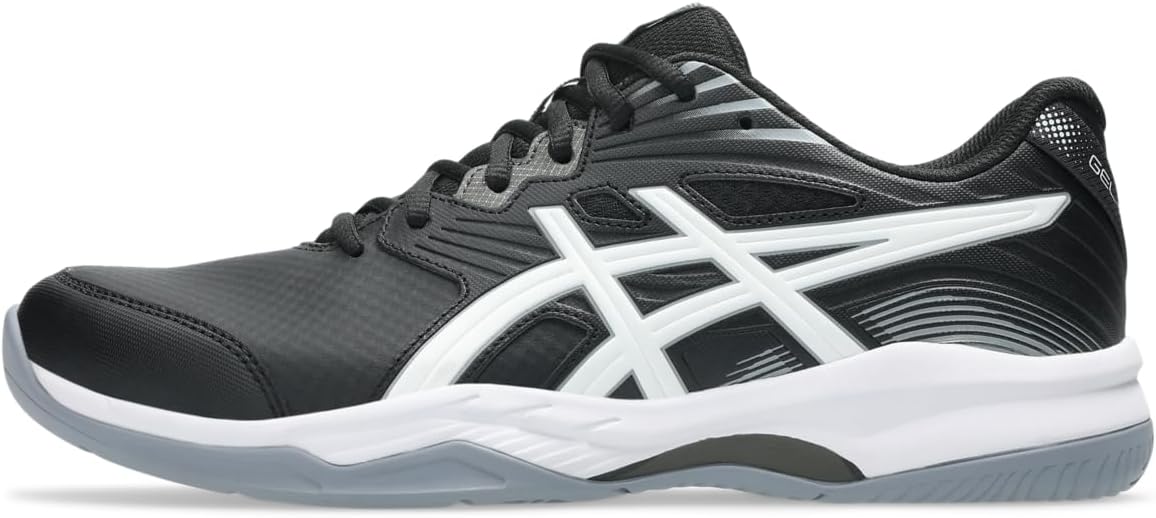
Built for higher-frequency play — more durable construction for players on the court 3x+ per week.
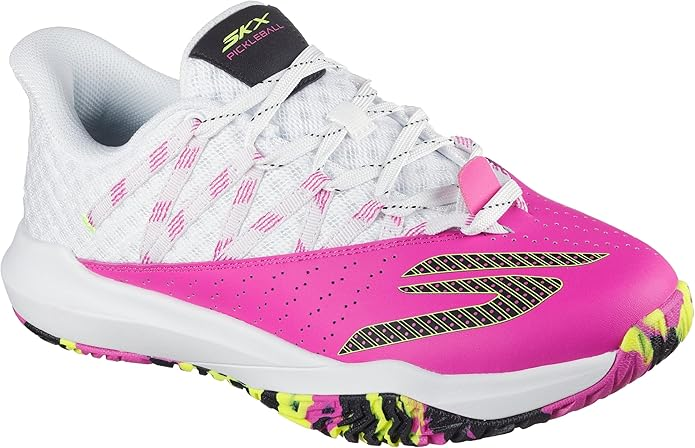
Comfort-forward cushioning for long sessions. Great for players who prioritize feel.
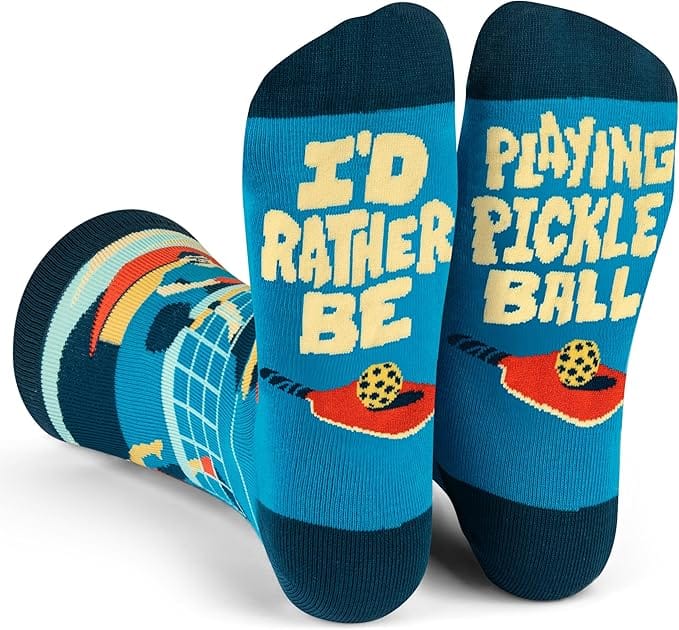
Complete sweat management — towel wristbands and headband. A functional court essential.
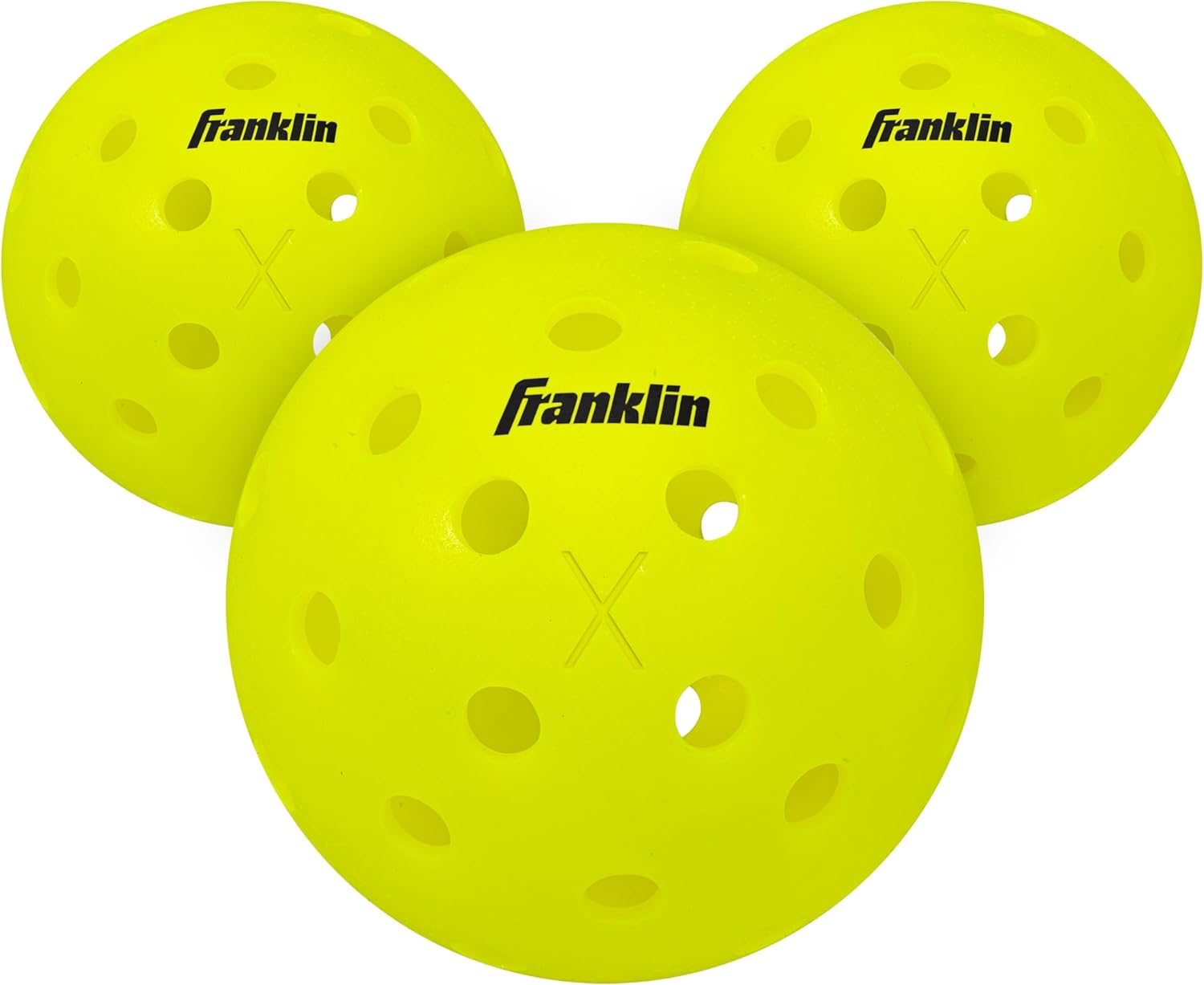
Keep fresh balls in rotation. Hard outdoor balls lose bounce faster than most players realize.
Frequently Asked Questions
Is pickleball good for depression and anxiety?
The evidence for exercise as a treatment for mild to moderate depression and anxiety is strong. Pickleball provides aerobic exercise, social connection, and skill mastery — all of which have independent mental health benefits. It is not a substitute for professional mental health treatment but is a valuable complementary activity. Many therapists actively recommend it to patients.
Why do pickleball players seem so happy?
It's not your imagination. The sport combines several evidence-based mood boosters: moderate aerobic exercise, social interaction with a welcoming community, achievable skill progression (early wins are accessible), and play — the psychologically restorative state of engaged, non-outcome-focused activity. The culture of most pickleball communities is explicitly supportive, which amplifies the social benefit.
Can pickleball help with loneliness for older adults?
Yes — and this may be its most significant health impact for older players. Social isolation is associated with health outcomes equivalent to smoking 15 cigarettes a day. Pickleball's open-play format creates regular, low-barrier opportunities for social connection. Many players over 60 report that pickleball is their primary source of regular social interaction outside family.
How do I deal with frustration and anger on the pickleball court?
Performance frustration is normal and manageable. Effective strategies: focus on process rather than score (what am I doing well, what's one thing to adjust), use a consistent pre-point routine to reset between rallies, take slow diaphragmatic breaths after errors, and remind yourself that recreational pickleball is supposed to be fun. If you find yourself consistently angry on the court, it may signal that your competitive expectations exceed your skill level — consider moving to open play with lower-rated players.
Pickleballers Next Door Podcast
Court tips, gear reviews, player stories, and rules deep-dives — every week. Listen free wherever you get your podcasts.
Listen Free at PickleballersNextDoor.comHave a Recovery Tip or Question?
Share what's working for your body — we may feature it on the podcast or in a future guide.