
Pickleball Nutrition — What to Eat Before, During, and After Play
Disclaimer: The information on this page is for general educational purposes only and is not intended as medical advice. Always consult a qualified physician or licensed healthcare provider before starting any new exercise, stretching, nutrition, or recovery program — especially if you have an existing injury, medical condition, or health concern.
Food is the foundation of athletic performance and recovery — and most recreational pickleball players pay almost no attention to it. You don't need a sports nutritionist or a strict meal plan. You need a basic understanding of what fuels court performance, what supports recovery, and what to avoid in the hours around play. This guide is practical, evidence-based, and designed for recreational players, not elite athletes.
Pre-Game Nutrition — 2–3 Hours Before Play
Your pre-game meal should be moderate in carbohydrates, moderate in protein, and low in fat and fiber (both slow digestion and can cause discomfort during play). Good options: oatmeal with banana and a small amount of protein powder, eggs on toast, Greek yogurt with fruit, or a turkey sandwich on whole grain bread. Avoid heavy meals, fried food, high-fiber vegetables, and large amounts of dairy within 2 hours of play.
The 30-Minute Window — Light Pre-Play Snack
If playing within 30–60 minutes of eating, go lighter: a banana, a small granola bar, a handful of crackers with peanut butter, or a sports gel. The goal is a small carbohydrate boost without a full stomach. Avoid anything that typically causes you GI distress — individual tolerance varies significantly for pre-exercise food.
During Play — Keep It Simple
For sessions under 60–75 minutes, water is sufficient and food is unnecessary. For longer sessions or tournaments, small carbohydrate snacks between games work well: banana halves, orange slices, sports chews, or a half granola bar. Avoid anything that requires significant digestion. The priority during play is hydration — see our Hydration Guide for specifics.
Post-Game Recovery Nutrition
The 30–60 minute window after play is the most important nutritional window. Muscle glycogen replenishment and protein synthesis are both elevated after exercise. Aim for: 20–30g protein (eggs, Greek yogurt, protein shake, chicken) combined with carbohydrates (fruit, rice, bread, sweet potato). A simple and effective option: a protein smoothie with banana and milk, or eggs on toast with fruit.
Anti-Inflammatory Eating for Pickleball Players
Chronic inflammation drives joint pain, slow recovery, and fatigue — all of which affect pickleball performance and longevity. Anti-inflammatory dietary patterns emphasize: fatty fish (salmon, sardines) 2–3 times per week for omega-3 fatty acids, colorful vegetables and berries (antioxidants), olive oil as primary cooking fat, and minimizing processed foods, refined sugars, and trans fats. Players over 50 who experience joint soreness after play often see meaningful improvement from consistent anti-inflammatory eating.
Supplements Worth Considering
Most supplements marketed to athletes don't have strong evidence. Three exceptions for pickleball players: (1) Creatine monohydrate — 3–5g daily improves muscle power, recovery, and has emerging evidence for cognitive benefits in older adults. Safe, well-researched, inexpensive. (2) Magnesium glycinate — 300–400mg nightly reduces muscle cramps, improves sleep quality, and supports recovery. Many adults are mildly deficient. (3) Vitamin D3 + K2 — essential for bone health and immune function, particularly for indoor or year-round players with limited sun exposure.
Recovery & Wellness Gear
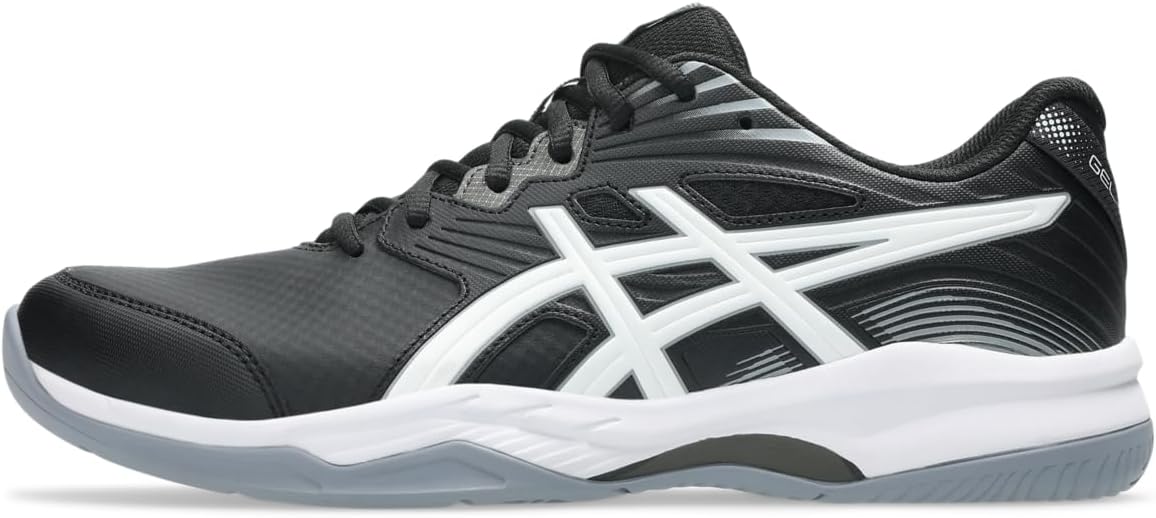
Built for higher-frequency play — more durable construction for players on the court 3x+ per week.
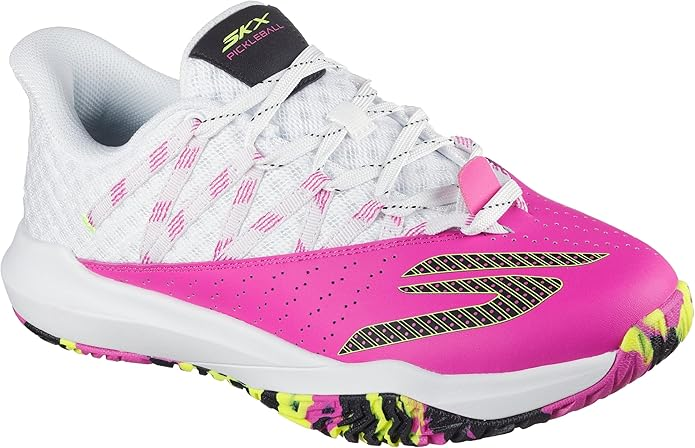
Comfort-forward cushioning for long sessions. Great for players who prioritize feel.
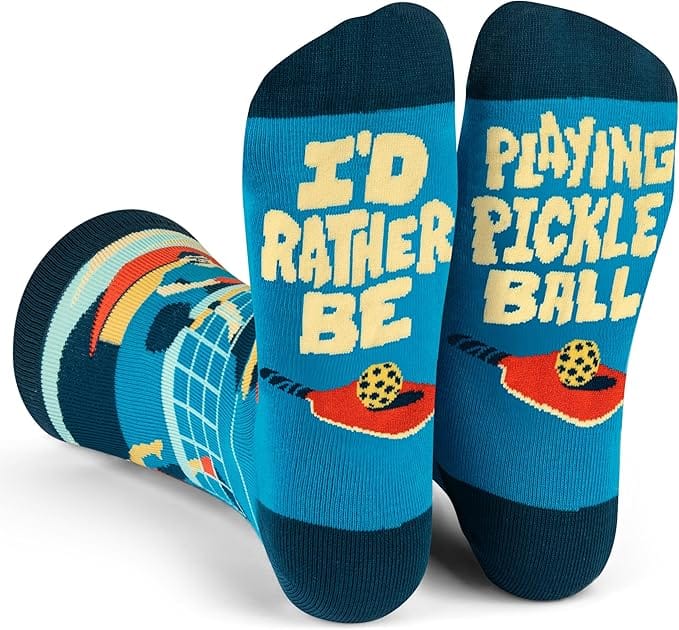
Complete sweat management — towel wristbands and headband. A functional court essential.
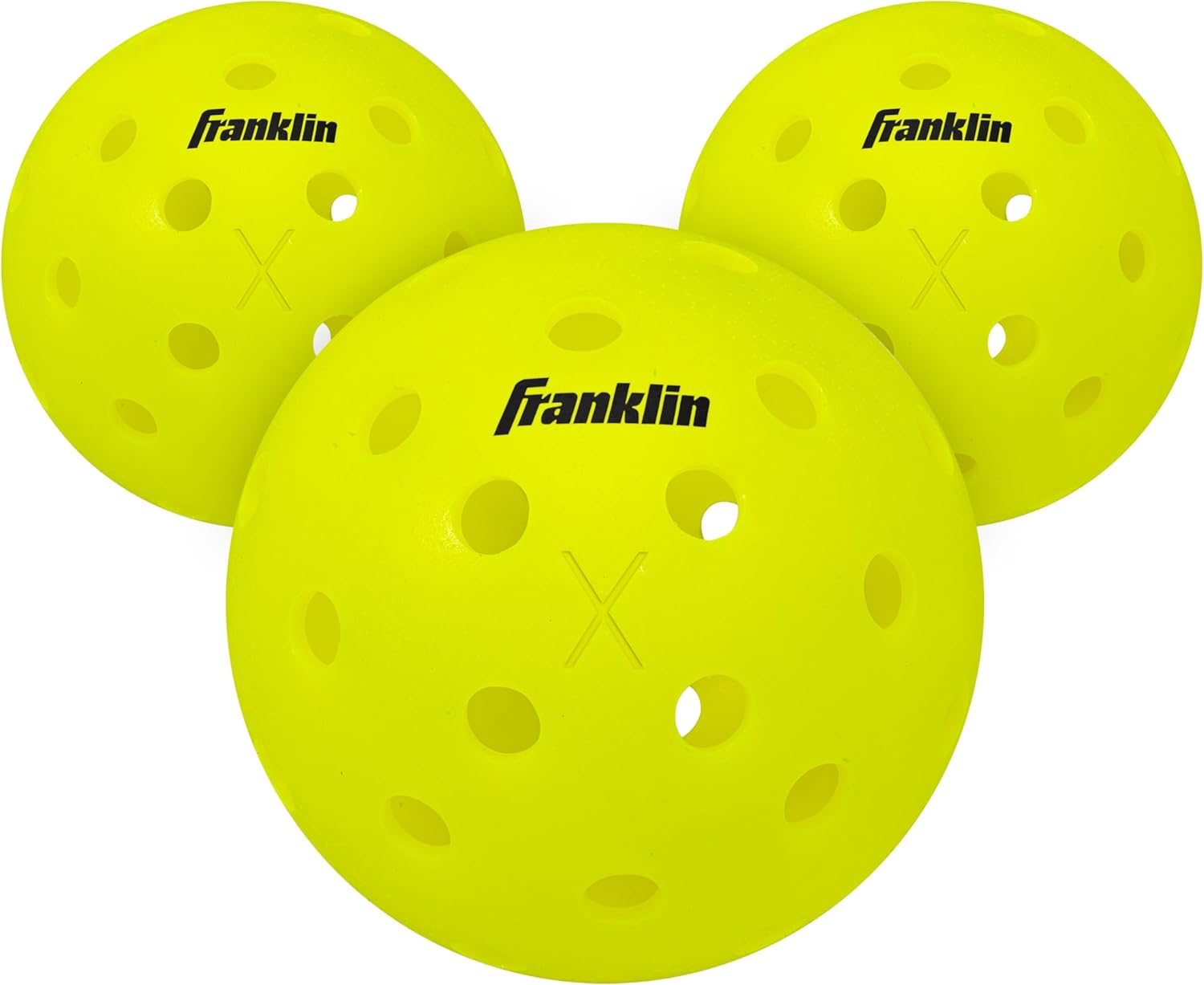
Keep fresh balls in rotation. Hard outdoor balls lose bounce faster than most players realize.
Frequently Asked Questions
What should I eat the morning of a pickleball tournament?
A familiar, easily digestible meal 2–3 hours before your first match: oatmeal with banana and protein, eggs with toast and fruit, or Greek yogurt with granola. Avoid anything new or heavy. Bring snacks for between matches — banana, granola bars, sports chews, electrolyte drinks. Hydrate consistently from waking up, not just at match time.
Does coffee before pickleball help performance?
Yes. Moderate caffeine (100–200mg, roughly 1–2 cups of coffee) 30–60 minutes before play improves reaction time, endurance, and reduces perceived exertion. The effect is well-documented. The performance benefit is real — just ensure coffee is in addition to adequate hydration, not a replacement for it.
Should pickleball players take protein supplements?
If you're consistently hitting 0.6–0.8g of protein per pound of bodyweight through food, supplements aren't necessary. Most recreational players fall short of this target, especially older players whose protein needs are actually higher, not lower, than younger adults. A protein shake post-play is the simplest way to close the gap without changing the rest of your diet.
What foods help reduce joint pain for pickleball players?
Fatty fish (salmon, mackerel, sardines) 2–3 times per week for omega-3s, colorful berries and cherries (anthocyanins reduce inflammation), turmeric with black pepper (curcumin), and olive oil as primary fat. Players who switch from a processed food diet to a Mediterranean-style eating pattern often report noticeable reductions in joint soreness within 4–6 weeks.
Pickleballers Next Door Podcast
Court tips, gear reviews, player stories, and rules deep-dives — every week. Listen free wherever you get your podcasts.
Listen Free at PickleballersNextDoor.comHave a Recovery Tip or Question?
Share what's working for your body — we may feature it on the podcast or in a future guide.