
Post-Game Recovery for Pickleball Players
Disclaimer: The information on this page is for general educational purposes only and is not intended as medical advice. Always consult a qualified physician or licensed healthcare provider before starting any new exercise, stretching, nutrition, or recovery program — especially if you have an existing injury, medical condition, or health concern.
You played hard — now recover smart. Post-game recovery is where the real gains happen: muscles repair, inflammation clears, and your body prepares for the next session. Pickleball players who prioritize recovery play more consistently, with fewer injuries, for more years. This guide covers the first 24 hours after play and the habits that compound into long-term physical health.
The First 15 Minutes After Play
Don't sit down immediately — keep moving at a low intensity for 3–5 minutes to gradually lower your heart rate. Then do your static cooldown stretches (see our Stretching Guide). Hydrate immediately: aim for 16–24 oz of water or an electrolyte drink within 15 minutes of finishing play. If you played hard in heat, electrolytes matter more than plain water.
Ice vs Heat — When to Use Each
Ice (cryotherapy) reduces acute inflammation — use it within the first 24–48 hours after a new injury or for joints that feel hot and swollen after play. Apply for 15–20 minutes, never directly on skin. Heat improves blood flow and relaxes tight muscles — use it 48+ hours after an injury, or before play to loosen stiff muscles. For general post-game soreness with no acute injury, either is fine — use whichever feels better.
Massage and Soft Tissue Work
Self-massage with a foam roller or massage gun addresses muscle tightness that stretching alone cannot fully resolve. Focus on calves, hamstrings, hip flexors, forearms, and the upper back after a pickleball session. Professional massage every 2–4 weeks is worth considering for regular players — a licensed massage therapist can identify compensation patterns and muscle imbalances before they become injuries.
Sleep — The Most Underrated Recovery Tool
Human growth hormone, which drives muscle repair, is primarily released during deep sleep. Inadequate sleep directly impairs athletic recovery, reaction time, and injury resistance. Aim for 7–9 hours per night on days you play. If you play evening sessions, avoid heavy meals and screen time for 60 minutes before bed to protect sleep quality.
When to See a Professional
Self-care handles most pickleball soreness. See a professional if you experience: sharp or shooting pain during play (stop immediately), persistent joint pain lasting more than 5 days, swelling that doesn't reduce within 48 hours, or recurring pain in the same location across multiple sessions. A sports chiropractor or physical therapist who works with racket sport athletes is the right starting point.
Recovery & Wellness Gear
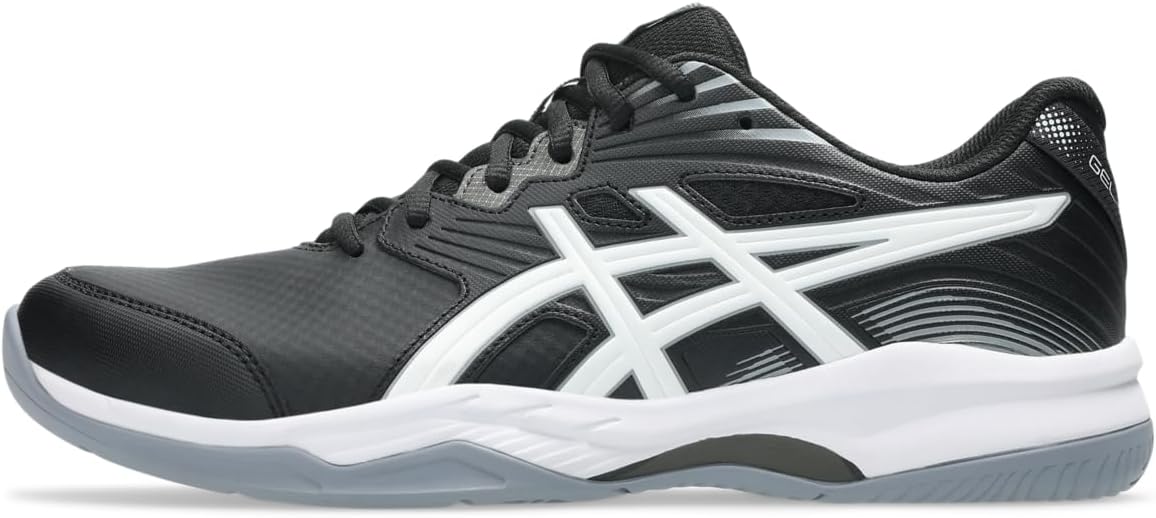
Built for higher-frequency play — more durable construction for players on the court 3x+ per week.
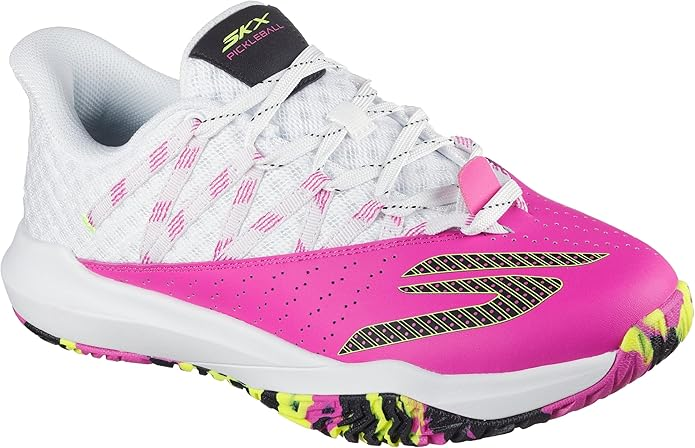
Comfort-forward cushioning for long sessions. Great for players who prioritize feel.
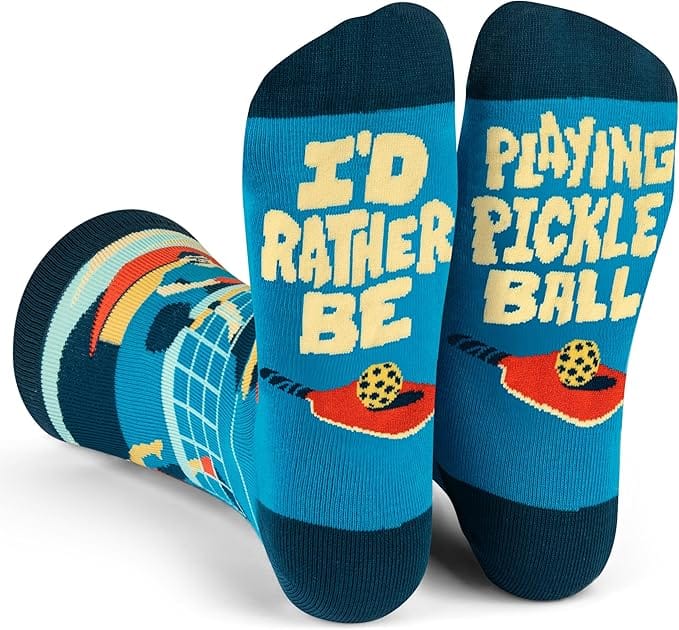
Complete sweat management — towel wristbands and headband. A functional court essential.
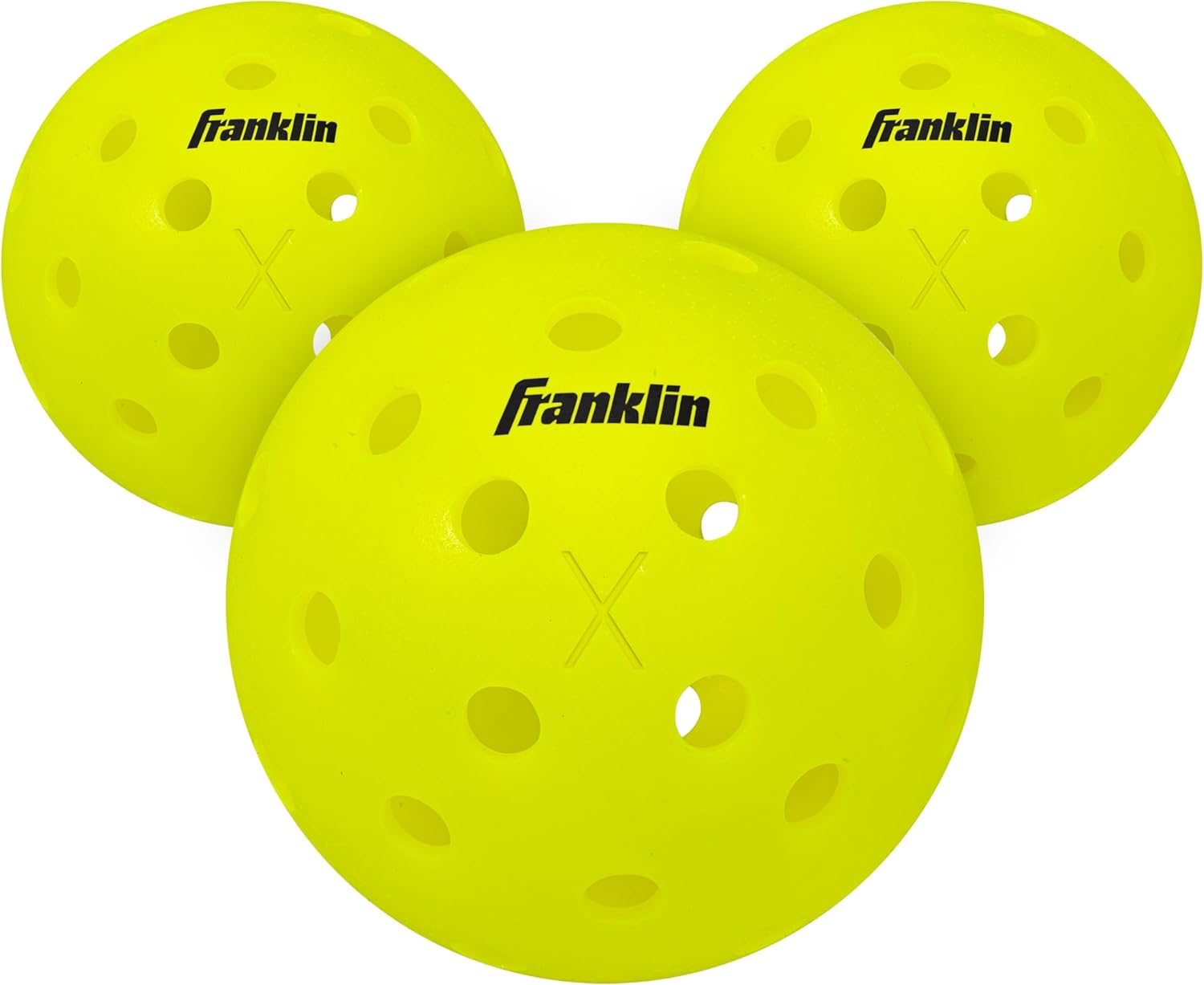
Keep fresh balls in rotation. Hard outdoor balls lose bounce faster than most players realize.
Frequently Asked Questions
What should I eat after pickleball for recovery?
Within 30–60 minutes of finishing play, eat a combination of protein and carbohydrates. Protein supports muscle repair (aim for 20–30g — eggs, Greek yogurt, chicken, or a protein shake). Carbohydrates replenish glycogen stores depleted during play. A simple post-game meal: eggs on toast, a protein smoothie with fruit, or Greek yogurt with granola.
Is a sports massage worth it for recreational pickleball players?
Yes, especially for players over 40 or those playing 3+ times per week. Sports massage improves circulation, reduces muscle adhesions, and identifies problem areas early. Monthly sessions with a licensed massage therapist are a worthwhile investment for regular players.
How do I reduce knee soreness after pickleball?
Knee soreness in pickleball typically comes from lateral movement demands and court crouching. Recovery: ice for 15 minutes post-play, quad and hamstring stretching, and strengthening exercises (wall sits, step-downs) between sessions. Proper court shoes with lateral support reduce knee stress significantly. Persistent knee pain warrants evaluation by a sports medicine physician.
Does a cold plunge or ice bath help after pickleball?
Cold water immersion (50–59°F for 10–15 minutes) reduces acute inflammation and perceived muscle soreness. It's most useful after high-intensity sessions or tournaments. For casual recreational play, it's more than necessary — a cold shower and foam rolling accomplish similar results with less discomfort.
Pickleballers Next Door Podcast
Court tips, gear reviews, player stories, and rules deep-dives — every week. Listen free wherever you get your podcasts.
Listen Free at PickleballersNextDoor.comHave a Recovery Tip or Question?
Share what's working for your body — we may feature it on the podcast or in a future guide.