
Returning Serve Strategy
The return of serve is your first opportunity to take control of the point. A well-placed return forces the serving team into a difficult third shot and secures your position at the kitchen line.
Deep and Down the Middle
The golden rule for returns is to keep them deep. A deep return keeps the server at the baseline and makes their third shot drop much more difficult. Aiming for the middle can also cause confusion between partners about who should take the ball.
Hitting to the Backhand
Most players have a weaker backhand than forehand. By targeting the server's backhand on your return, you increase the likelihood of them hitting a high or short third shot, which you can then punish at the net.
The Transition to the Net
The moment you hit your return, your goal is to get to the kitchen line. Use the time the ball is in the air to move forward. If you hit a deep return, you should be fully established at the net before the server even hits their third shot.
Level Up Your Game
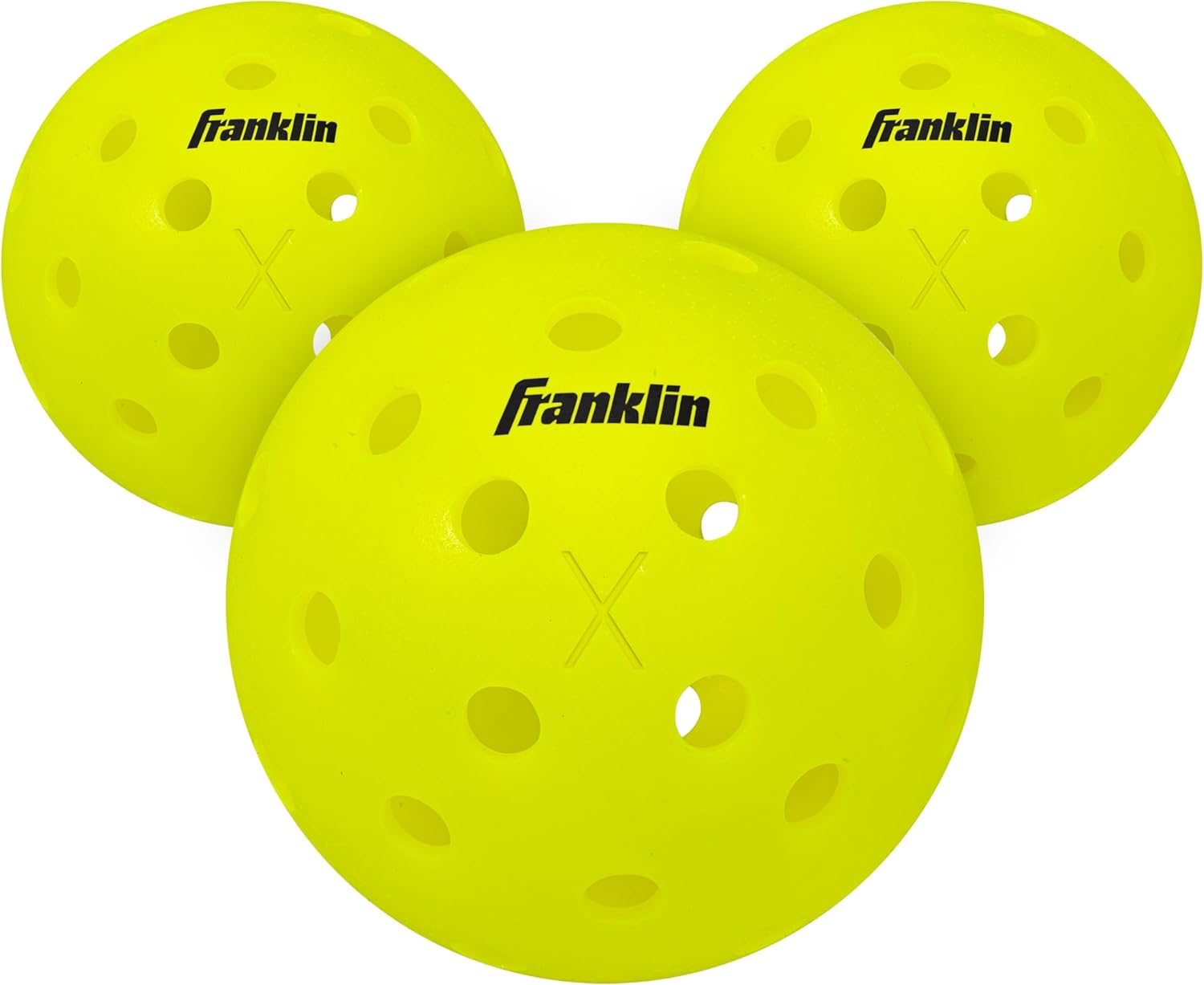
The standard outdoor ball. Practice what you learn with the same ball used in most open play.
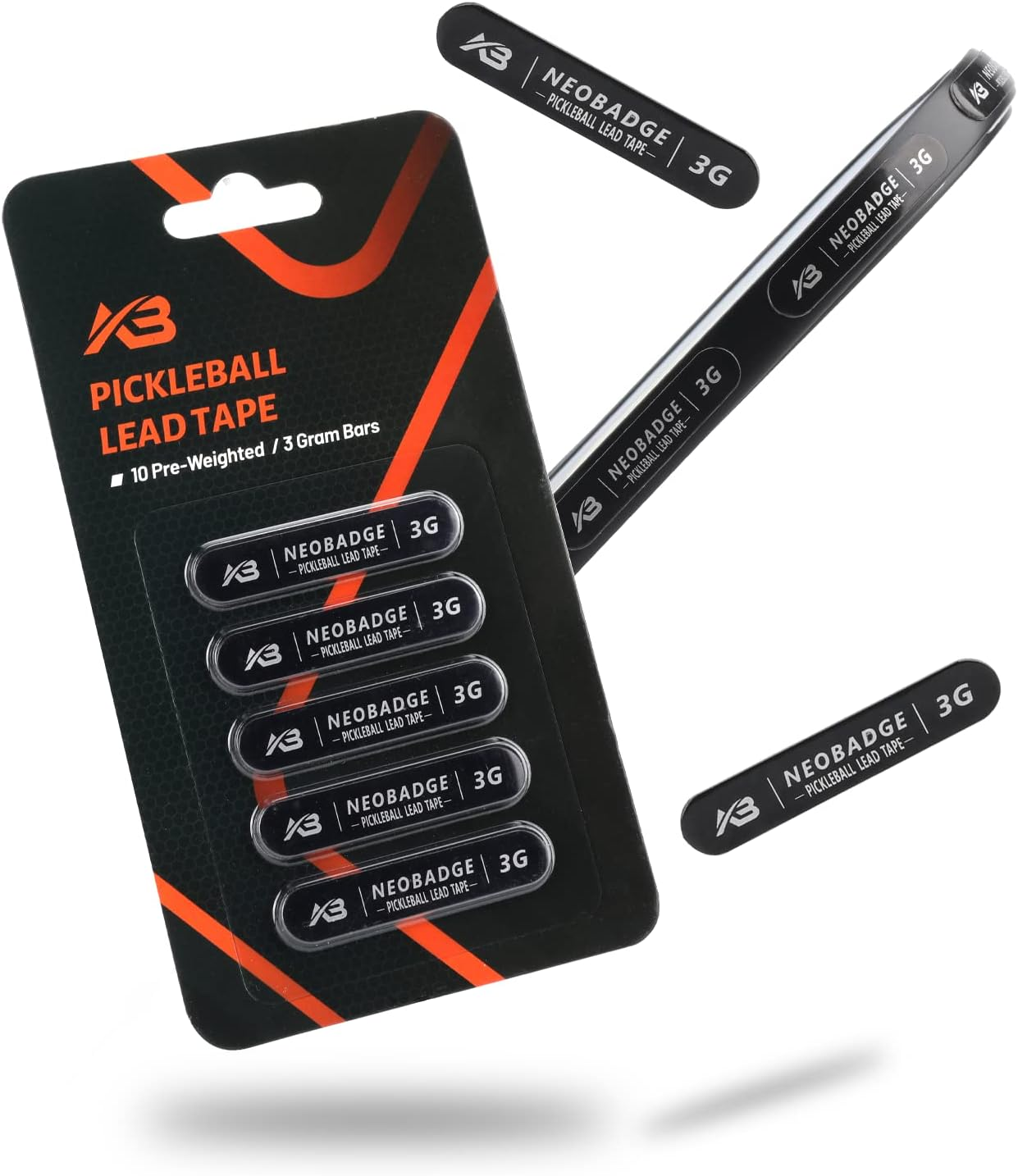
The $8 experiment that often outperforms a $200 paddle swap. Tune weight and balance.
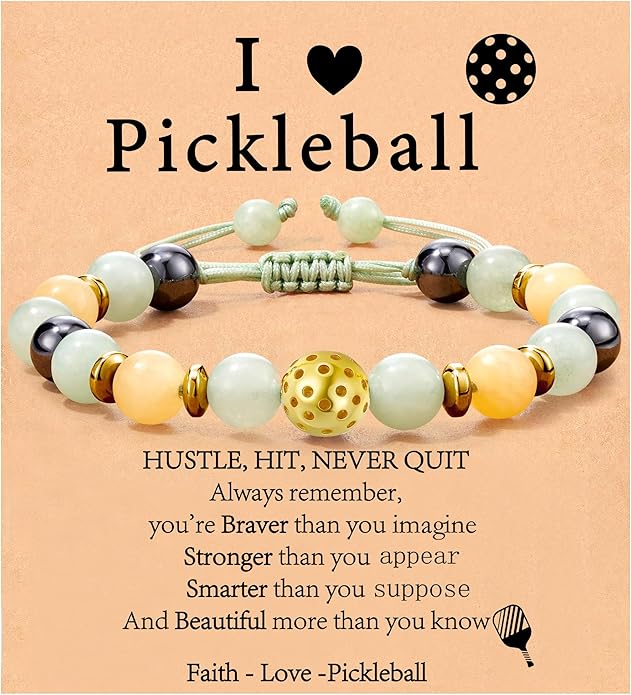
Identify your paddle at crowded courts. 500+ bought per month — the most popular accessory.
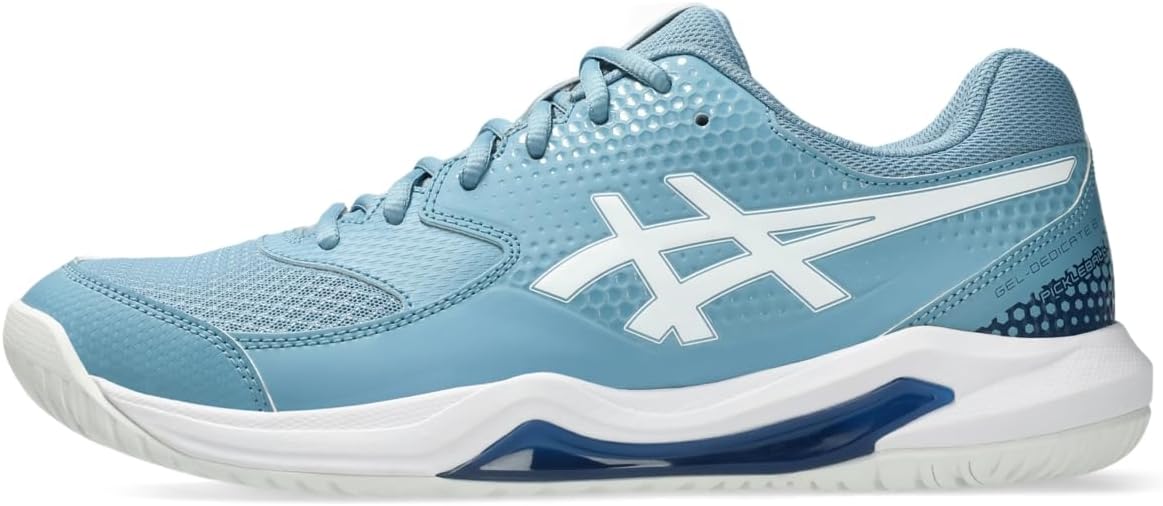
Court-specific lateral support. Learning proper footwork starts with the right shoe.
Frequently Asked Questions
Should I use slice on my return?
Slice is very effective because it keeps the ball low and makes it 'skid' when it bounces. This makes it much harder for the server to lift the ball into a successful third shot drop.
What should I do with a short serve?
If the serve is short, move in quickly and hit the return deep. Don't try to win the point with a drop; the server is already back, so keep them there by hitting deep into their court.
Can I return the serve to the person who didn't serve?
No, you must return the ball to the serving team's side, but you can target either player. However, hitting it back to the server is usually best as they are already moving and potentially off-balance.
How much risk should I take on a return?
Very little. Missing a return is a 'free point' for the opponent. Aim for large targets and focus on depth and consistency rather than trying to hit a winner.
Master the Rules — Get the Complete Guide
The Pickleballers Next Door rulebook covers every rule in plain English — kitchen faults, serving violations, scoring, stacking, and more.
Available on Kindle and in print
Pickleballers Next Door Podcast
Court tips, gear reviews, player stories, and rules deep-dives — every week. Listen free wherever you get your podcasts.
Listen Free at PickleballersNextDoor.comHave a Rules Question?
Submit your pickleball rules question and we may answer it in an upcoming guide or podcast episode.