
Pickleball Serving Rules — Complete Guide
The serve starts every rally — and pickleball's serving rules are more nuanced than most beginners expect. Beyond just hitting the ball over the net, you need to understand legal service motion, where to stand, what counts as a fault, and how the double-bounce rule shapes the first two shots of every point. This guide covers all of it clearly.
The Two Types of Legal Serve
Pickleball allows two types of serves: the volley serve and the drop serve. The volley serve requires you to hold the ball and swing with an upward arc motion, striking the ball below your waist (navel height). The drop serve, added as a permanent rule in 2022, lets you drop the ball from any natural height and hit it after it bounces — with no restrictions on swing motion, paddle angle, or contact height.
Service Motion Requirements (Volley Serve)
For the traditional volley serve, three requirements must all be met: (1) The paddle must contact the ball below the server's waist (navel). (2) The paddle head must be below the highest part of the wrist at contact. (3) The arm must move in an upward arc. Spinning the ball before release or adding spin with the non-paddle hand is a fault. These rules are slightly relaxed for the drop serve.
Where to Stand When Serving
The server must stand behind the baseline and within the confines of the service area (not behind the sidelines). Both feet must be behind the baseline — no foot can touch or cross the baseline during the serve. The server calls the score out loud before serving.
Service Placement — Where the Ball Must Land
The serve must land in the diagonally opposite service court — the box across the net from the server. It cannot land in the kitchen (NVZ) or on the kitchen line. Serves landing on any other line (baseline, centerline, sideline of the service box) are in.
The Double-Bounce Rule (Two-Bounce Rule)
After the serve, the ball must bounce once on the serving team's side and once on the receiving team's side before either team can volley. This means the serving team cannot rush the net and volley the return of serve — they must let it bounce first. The double-bounce rule exists to reduce the serving team's advantage and create longer rallies.
Service Faults
A serve fault ends the rally and results in a side-out (or second serve in doubles). Common faults include: ball landing in the kitchen or on the kitchen line, ball landing out of bounds, foot touching the baseline during the serve, illegal service motion (on a volley serve), and serving before the score is called.
Level Up Your Game
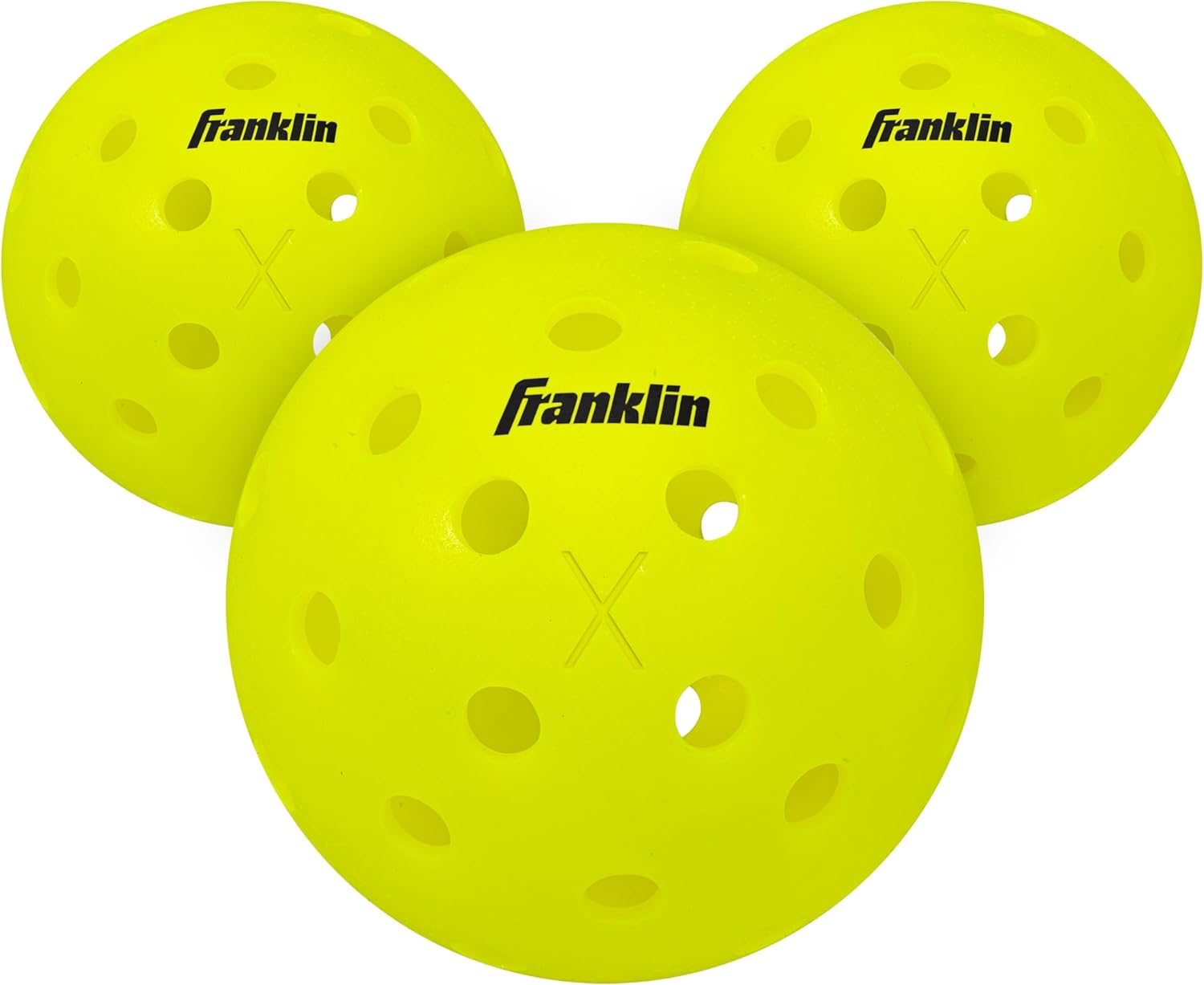
The standard outdoor ball. Practice what you learn with the same ball used in most open play.
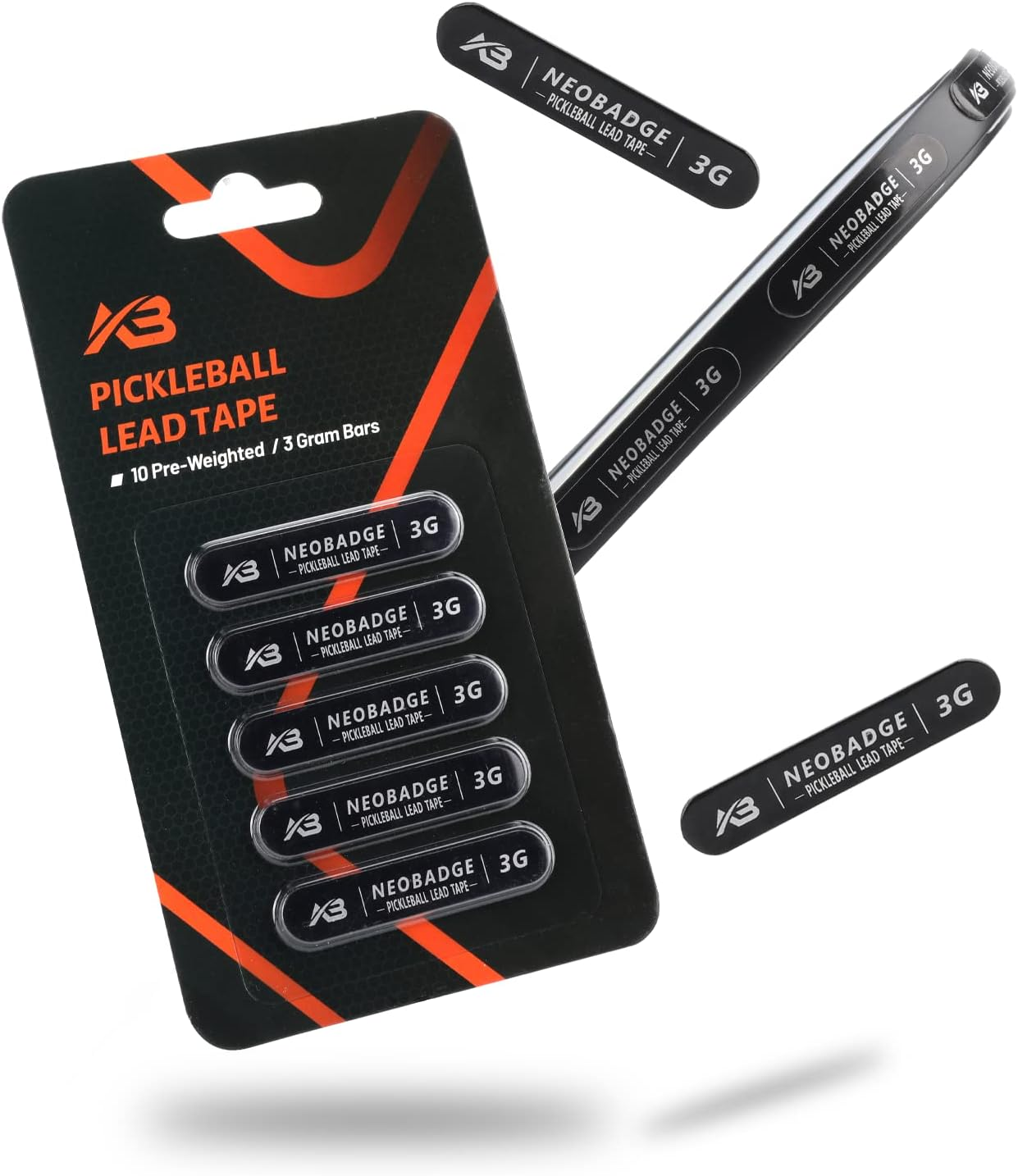
The $8 experiment that often outperforms a $200 paddle swap. Tune weight and balance.
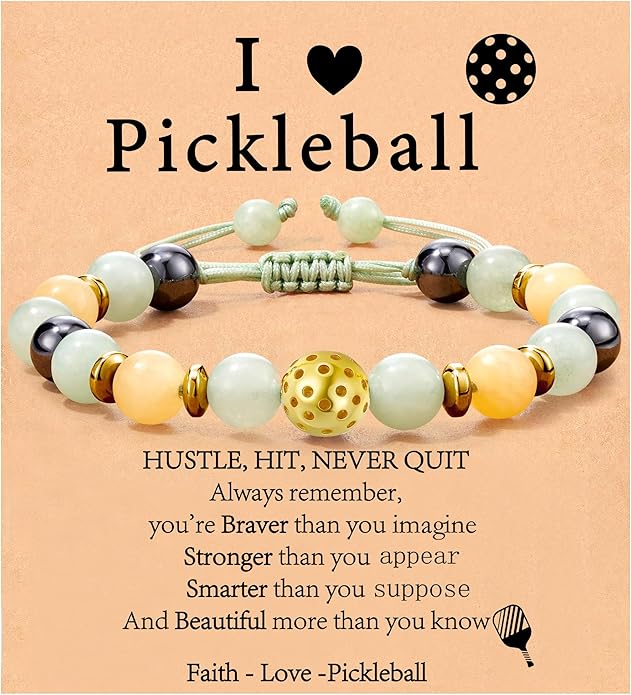
Identify your paddle at crowded courts. 500+ bought per month — the most popular accessory.
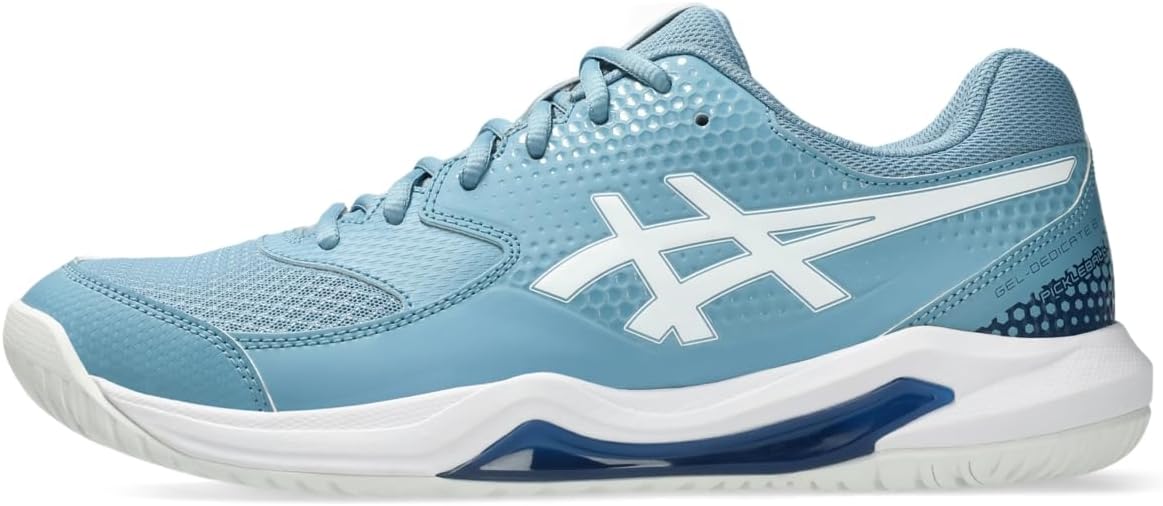
Court-specific lateral support. Learning proper footwork starts with the right shoe.
Frequently Asked Questions
Can I use a spin serve in pickleball?
Spin generated by the natural swing of the paddle is legal. What is illegal is adding pre-spin by manipulating the ball with your non-paddle hand before releasing it for a volley serve. The drop serve, however, allows the ball to bounce and spin naturally off the ground, and any resulting spin from that bounce is legal.
What is a let serve in pickleball?
A let serve occurs when the ball clips the top of the net and still lands in the correct service box. As of the 2021 rule update, let serves are replayed — they are not faults. Previous rules had more complex let serve handling, so check current official rules if in doubt.
Can I serve from anywhere behind the baseline?
You must serve from within the confines of your service area — you cannot serve from behind the opposite sideline. You can stand anywhere between the centerline and the sideline on your side, behind the baseline.
How is the score called before a serve?
In doubles, the server calls three numbers: serving team score, receiving team score, and server number (1 or 2). Example: '4-3-2' means the serving team has 4 points, receiving team has 3, and it is the second server. In singles, only two numbers are called: server score then receiver score.
What happens if both players on a doubles team serve illegally?
Each illegal serve is treated as a fault individually. The first server faults, the second server gets their chance. If the second server also faults, it is a side-out and the opposing team serves.
Pickleballers Next Door Podcast
Court tips, gear reviews, player stories, and rules deep-dives — every week. Listen free wherever you get your podcasts.
Listen Free at PickleballersNextDoor.comHave a Rules Question?
Submit your pickleball rules question and we may answer it in an upcoming guide or podcast episode.