
Complete Pickleball Serving Rules Guide
The serve is the only shot in pickleball you have total control over, yet it is governed by strict technical requirements. Under 2024 USA Pickleball rules, understanding these mechanics is essential for starting every point legally. This guide covers everything from paddle position to the correct serving rotation.
Legal Serve Mechanics
A legal volley serve must be hit underhand with an upward arc. The highest point of the paddle head must be below the highest part of the wrist at contact, and contact must occur below the waist. Alternatively, players may use a drop serve, where the ball is dropped from any height and hit after it bounces; for a drop serve, the technical wrist and waist restrictions do not apply.
Serving Order and Rotation
In doubles, each team gets two 'hands' or serves, except for the very first service turn of the game which only allows one. Scores are called as three numbers: server score, receiver score, and server number (1 or 2). In singles, you serve from the right side when your score is even and the left side when your score is odd.
Service Placement Requirements
The serve must travel diagonally across the net and land within the confines of the opposite service court. It must clear the 7-foot non-volley zone (the kitchen) and the kitchen line. If the ball touches the kitchen line on the serve, it is a fault, though it may land on the sideline, centerline, or baseline.
Common Service Faults
A service fault results in an immediate loss of the serve. Common faults include hitting the ball into the net, landing the ball outside the diagonal service box, or committing a foot fault. Under 2024 rules, if you serve from the wrong side or out of turn, the referee will correct you before the serve or replay the point if discovered mid-rally.
Level Up Your Game
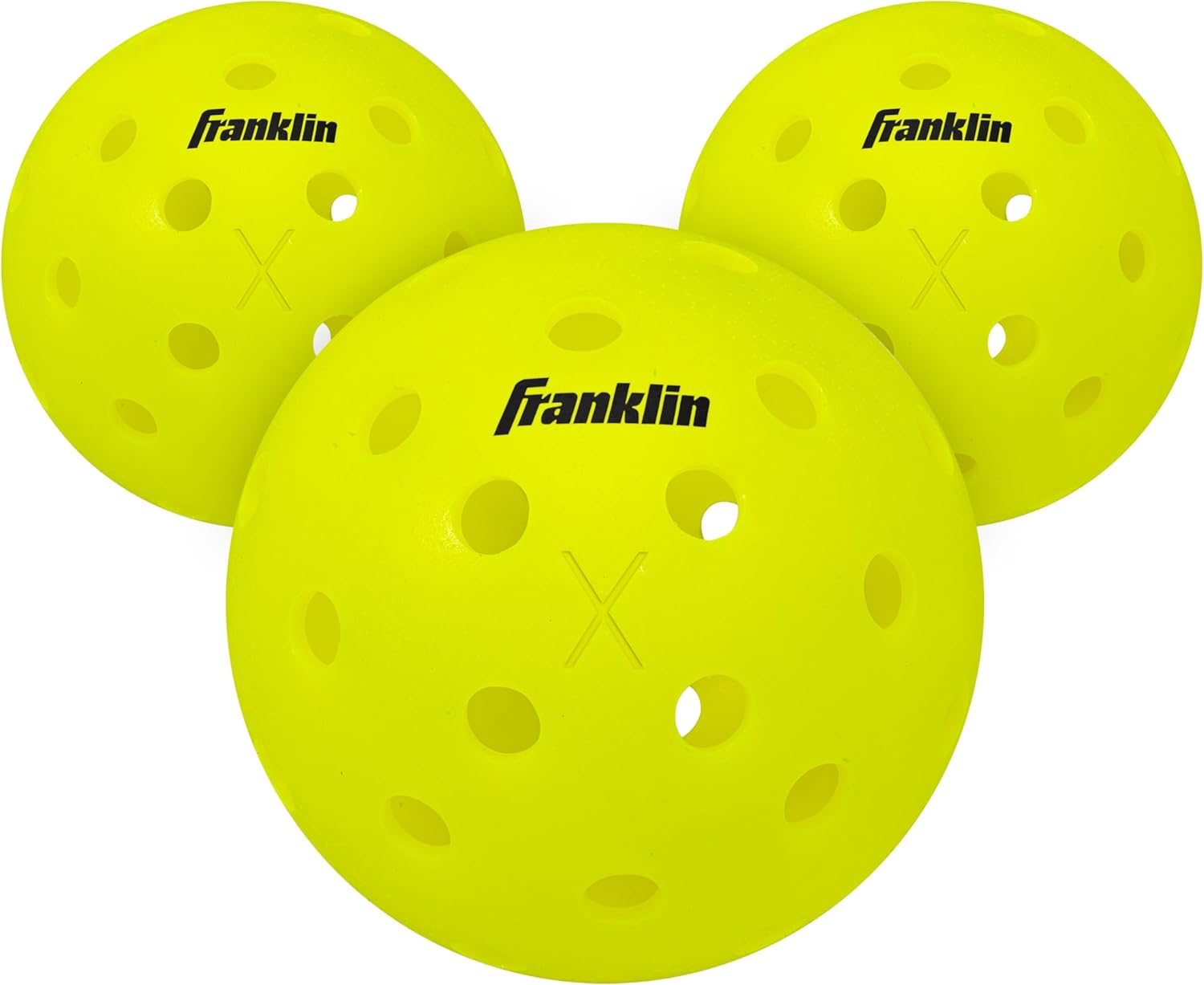
The standard outdoor ball. Practice what you learn with the same ball used in most open play.
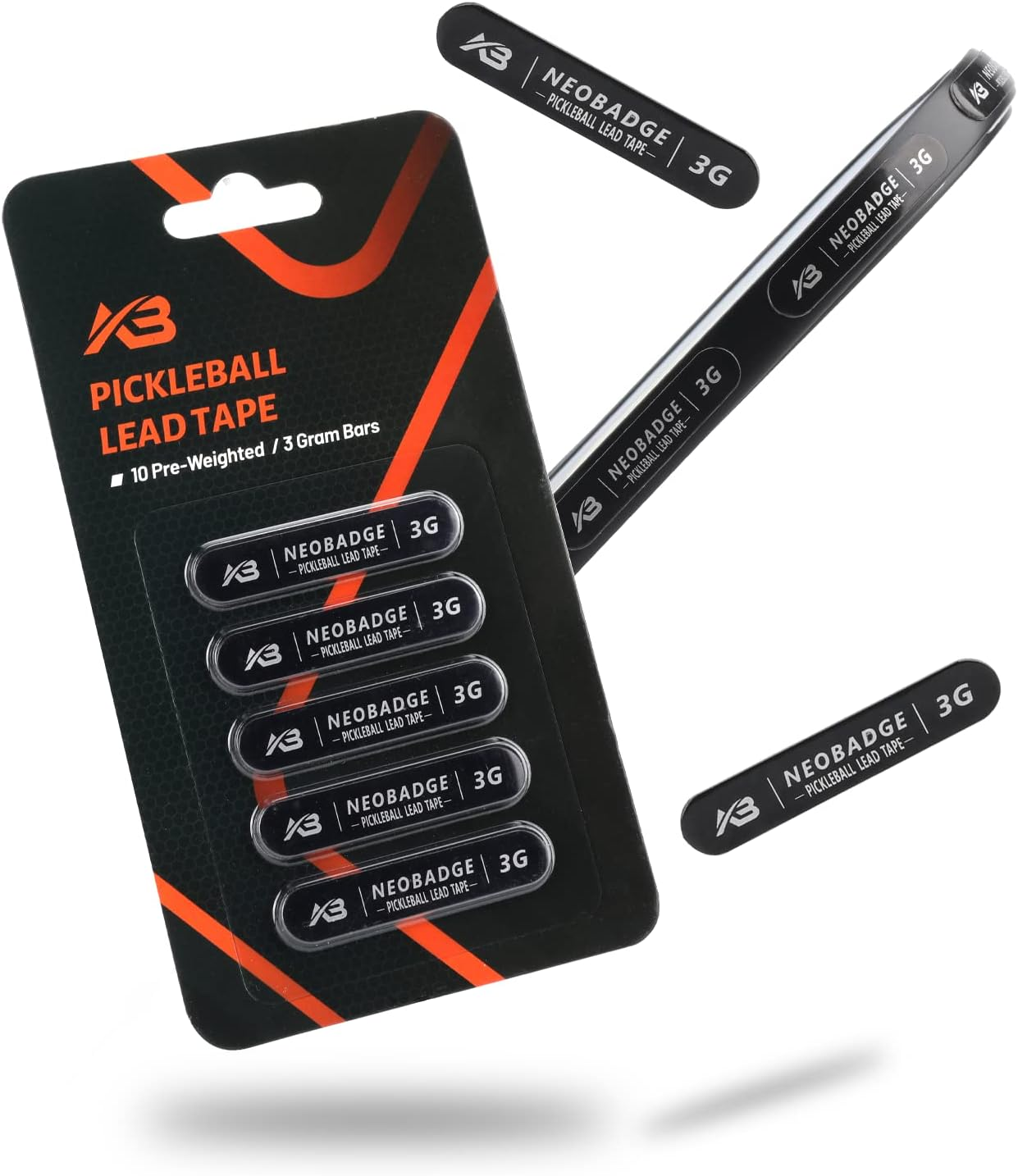
The $8 experiment that often outperforms a $200 paddle swap. Tune weight and balance.
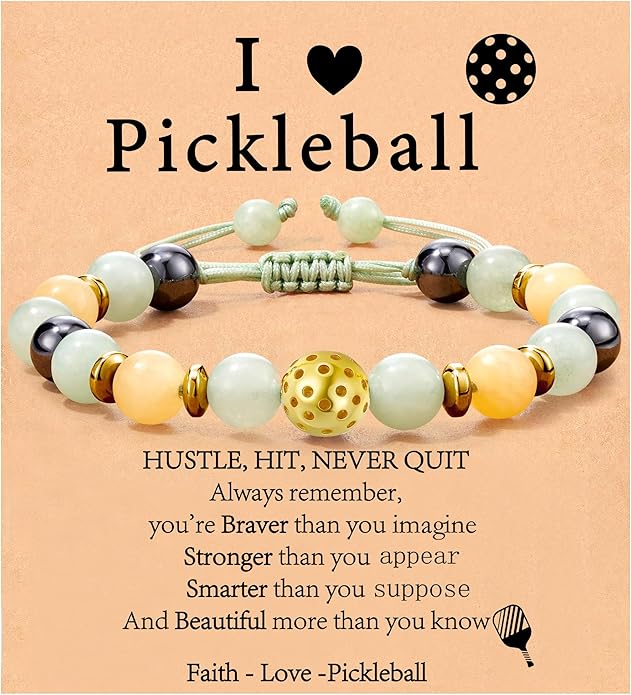
Identify your paddle at crowded courts. 500+ bought per month — the most popular accessory.
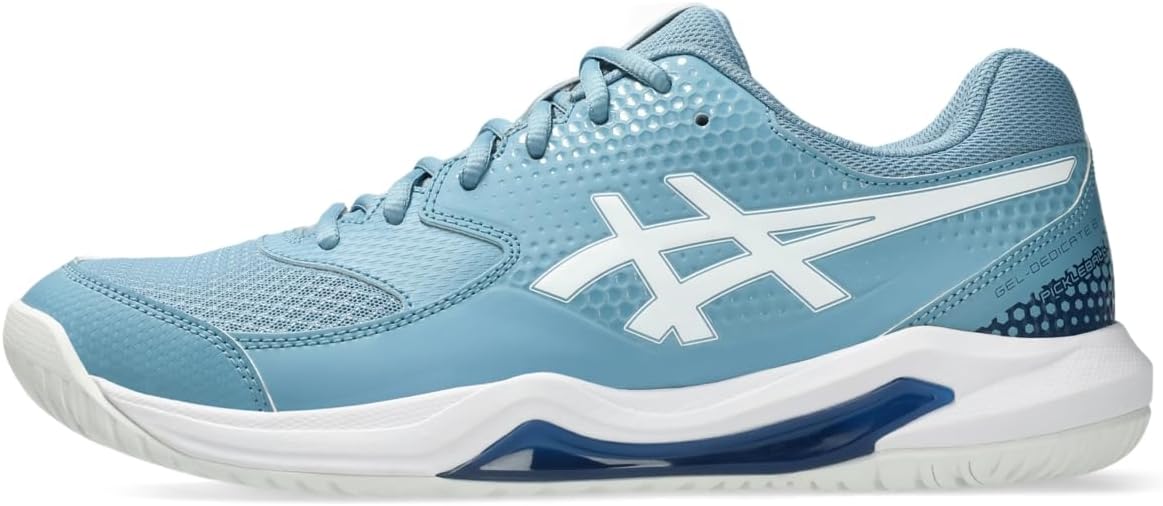
Court-specific lateral support. Learning proper footwork starts with the right shoe.
Frequently Asked Questions
Can I hit a 'chainsaw' serve using my paddle to spin the ball?
No. Spin may only be applied to the ball with the paddle face during the strike. Using the hand or paddle to spin the ball before the toss or drop is illegal under current USA Pickleball rules.
What is the 2nd server's role in doubles?
In doubles, after the first server loses a rally, the serve passes to their partner (the 2nd server). Only after the 2nd server loses a rally does the ball go to the opposing team (a side-out).
Does the serve have to be hit hard?
No. While power can be an advantage, the primary goal of a pickleball serve is to be deep and legal. Most professionals prioritize depth and placement over extreme speed.
Can I use a drop serve whenever I want?
Yes. Players can choose between a volley serve and a drop serve at any time. The drop serve is often easier for beginners as it removes the strict upward arc and waist-height requirements.
Master the Rules — Get the Complete Guide
The Pickleballers Next Door rulebook covers every rule in plain English — kitchen faults, serving violations, scoring, stacking, and more.
Available on Kindle and in print
Pickleballers Next Door Podcast
Court tips, gear reviews, player stories, and rules deep-dives — every week. Listen free wherever you get your podcasts.
Listen Free at PickleballersNextDoor.comHave a Rules Question?
Submit your pickleball rules question and we may answer it in an upcoming guide or podcast episode.