
Stacking in Doubles Strategy
Stacking is a tactical positioning strategy used in doubles to keep partners on their preferred side of the court. When executed correctly, it allows teams to leverage individual strengths and maintain consistent court coverage.
What is Stacking?
Stacking involves partners standing on the same side of the court during a serve or return. After the ball is hit, they move to their designated sides. This bypasses the traditional requirement of switching sides based on the score, allowing players to stay where they are most effective.
Why Should You Stack?
The most common reason to stack is to keep a left-handed and right-handed player's forehands in the middle. It is also used if one player has a much stronger mobility or a better 'cross-court dink' from a specific side. It maximizes the team's defensive and offensive potential.
Communication and Movement
Stacking requires clear communication to avoid collisions. On the serve, the server's partner stands outside the court to stay out of the way. On the return, the non-receiver starts on the side they want to end up on, and the receiver moves across after hitting the ball.
Level Up Your Game

The standard outdoor ball. Practice what you learn with the same ball used in most open play.
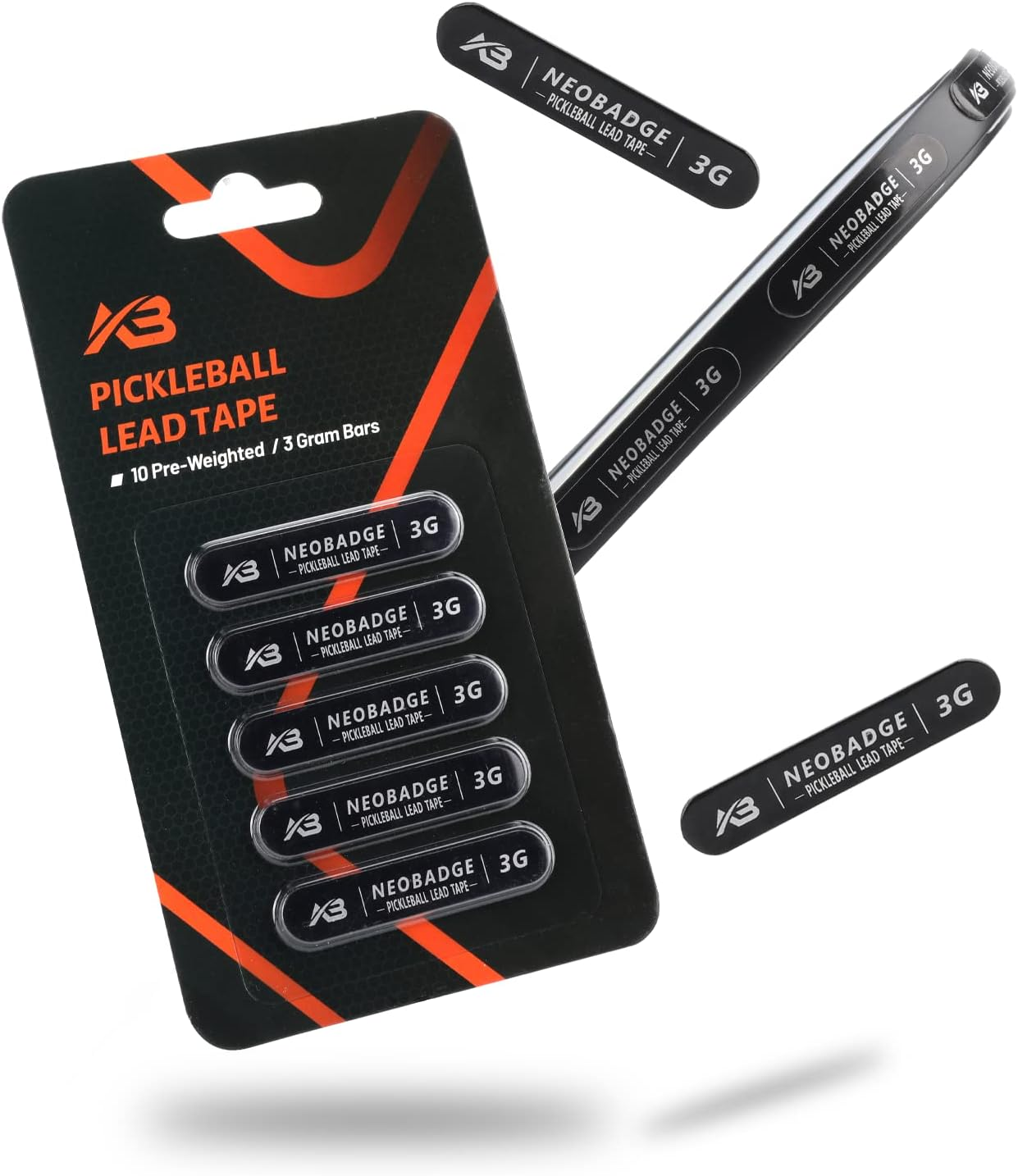
The $8 experiment that often outperforms a $200 paddle swap. Tune weight and balance.

Identify your paddle at crowded courts. 500+ bought per month — the most popular accessory.

Court-specific lateral support. Learning proper footwork starts with the right shoe.
Frequently Asked Questions
Is stacking legal in pickleball?
Yes, as long as the correct player serves or receives from the correct court according to the score. You can stand anywhere on your side of the net during the serve, provided you don't obstruct the opponent's view.
When is the best time to start stacking?
Start stacking when you have a clear tactical reason, such as a 'Lefty/Righty' pairing. It’s best to practice this with a regular partner before trying it in a competitive match to ensure movement is fluid.
What are the risks of stacking?
The biggest risk is leaving a portion of the court open during the transition. If the return of serve is very fast or well-angled, the team might struggle to get into position before the next shot.
Do I have to stack on every point?
No. Some teams only stack when they are serving (offensive stacking) or only when they are receiving (defensive stacking). You can choose to stack on any point as long as you follow the serving order.
Master the Rules — Get the Complete Guide
The Pickleballers Next Door rulebook covers every rule in plain English — kitchen faults, serving violations, scoring, stacking, and more.
Available on Kindle and in print
Pickleballers Next Door Podcast
Court tips, gear reviews, player stories, and rules deep-dives — every week. Listen free wherever you get your podcasts.
Listen Free at PickleballersNextDoor.comHave a Rules Question?
Submit your pickleball rules question and we may answer it in an upcoming guide or podcast episode.