
Pickleball Stretching Guide — Warmup & Cooldown
Disclaimer: The information on this page is for general educational purposes only and is not intended as medical advice. Always consult a qualified physician or licensed healthcare provider before starting any new exercise, stretching, nutrition, or recovery program — especially if you have an existing injury, medical condition, or health concern.
Pickleball is deceptively demanding on the body. The sport combines lateral movement, overhead reaches, explosive sprints to the kitchen, and repetitive wrist and elbow action — all in quick succession. A proper warmup reduces injury risk and improves your game from the first point. A proper cooldown keeps you playing for years. This guide covers both, with stretches specific to the movements pickleball actually demands.
Before You Play — Dynamic Warmup (5–8 Minutes)
Dynamic stretches activate muscles and increase blood flow without reducing power. Avoid static holds before play — they temporarily reduce muscle power output. Start with leg swings (10 each side, forward and lateral), arm circles (10 forward, 10 backward), hip rotations (10 each direction), lateral shuffles across the court, and light jogging with high knees. Finish with 10 practice swings in each direction to activate wrist and forearm muscles.
Shoulder & Rotator Cuff Warmup
The overhead reach for lobs and the cross-body dink motion both stress the rotator cuff. Before play, do cross-body arm pulls (hold each arm across your chest for 5 seconds, 5 reps per side), internal and external shoulder rotations with a light resistance band, and doorframe chest stretches. If you've had shoulder issues, add a resistance band warmup for 2 minutes before every session.
Wrist & Forearm Prep
Pickleball elbow (lateral epicondylitis) is the most common overuse injury in the sport. Prevent it with wrist flexor and extensor stretches before every session: extend one arm, palm up, and gently pull fingers toward you with the other hand (hold 15 seconds). Repeat palm-down. Do 3 sets per side. Strengthen forearms with a foam stress ball or resistance putty between sessions.
After Play — Static Cooldown (8–10 Minutes)
Post-play is when static stretching is most effective — muscles are warm and pliable. Hold each stretch for 20–30 seconds. Focus on: standing quad stretch (balance on one foot, pull heel to glute), seated hamstring stretch (reach toward toes), calf stretch against a wall, hip flexor lunge stretch, and figure-four glute stretch (cross one ankle over the opposite knee while seated). Breathe slowly through each hold.
The Pickleball Player's Top 3 Problem Areas
Based on injury patterns in recreational pickleball players, three areas need the most attention. (1) Achilles and calf — sudden lunges and direction changes strain the calf-Achilles complex. Prioritize calf stretching and eccentric heel drops. (2) Hip flexors — court crouching tightens hip flexors over time, contributing to lower back pain. Lunge stretches and pigeon pose address this. (3) Elbow and forearm — covered above, but worth repeating: wrist stretches before and after every session.
Recovery & Wellness Gear
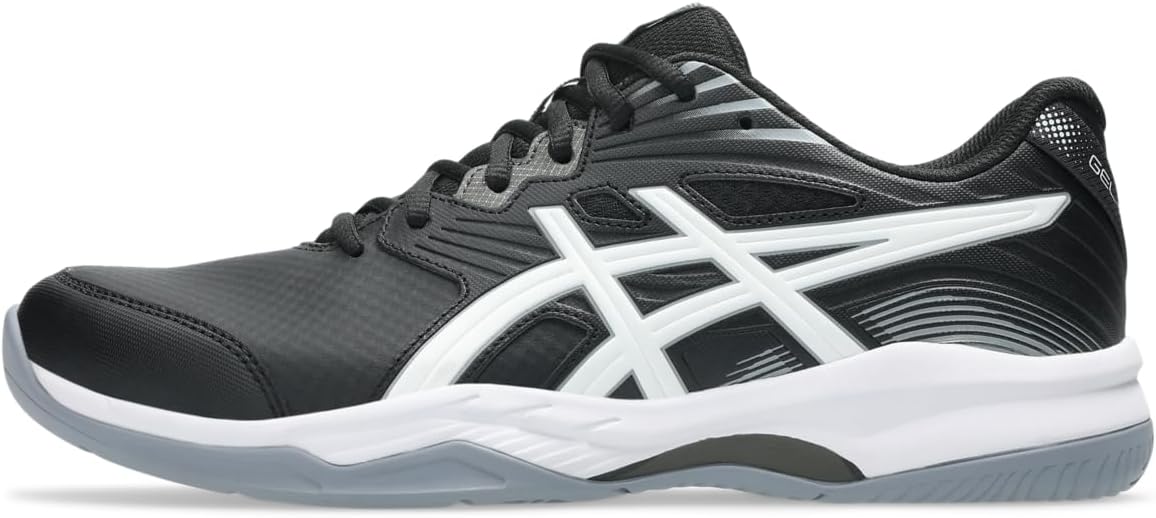
Built for higher-frequency play — more durable construction for players on the court 3x+ per week.
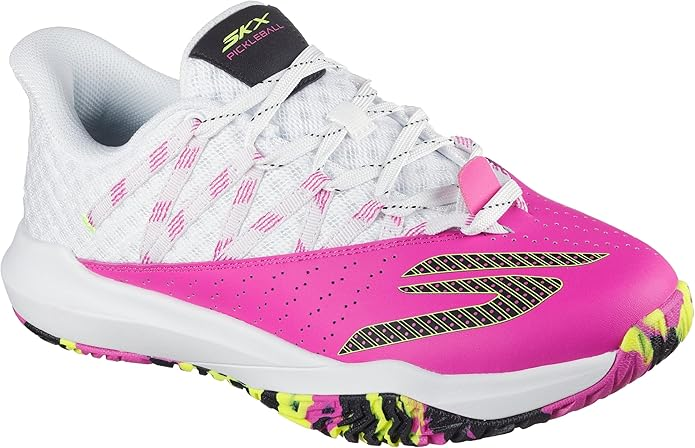
Comfort-forward cushioning for long sessions. Great for players who prioritize feel.

Complete sweat management — towel wristbands and headband. A functional court essential.
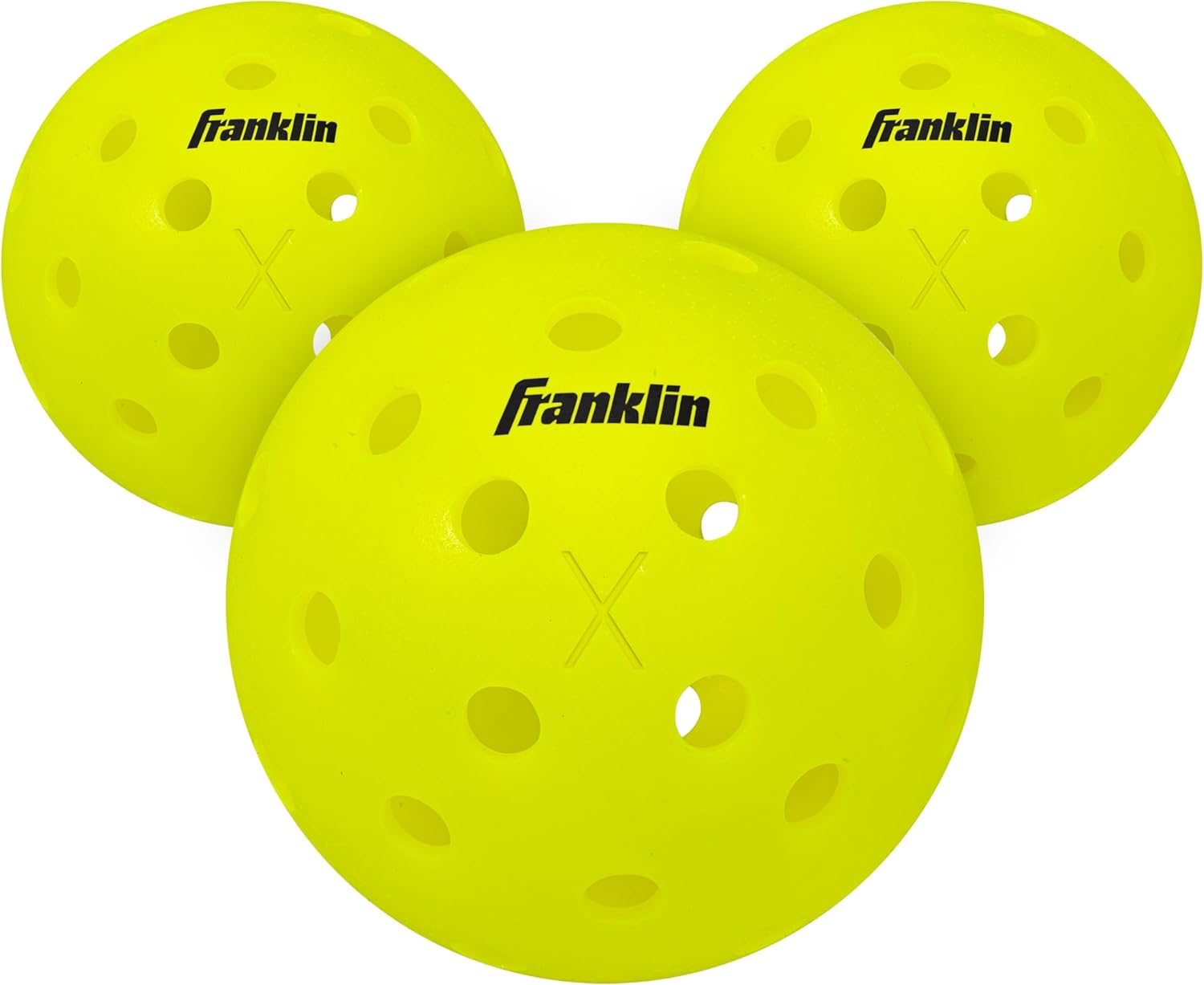
Keep fresh balls in rotation. Hard outdoor balls lose bounce faster than most players realize.
Frequently Asked Questions
How long should I warm up before pickleball?
5–8 minutes of dynamic movement is sufficient for most recreational players. If you're over 50, playing in cold weather, or returning from a layoff, extend to 10–12 minutes. The goal is to raise your heart rate and activate the muscles you'll use — not exhaust them.
Is it okay to skip stretching if I'm just playing a casual game?
The injury risk in pickleball comes from the sport's sudden lateral movements and overhead reaches — not from how serious the game is. Casual play on cold muscles carries the same injury risk as competitive play. A 5-minute warmup is worth the investment at any skill level.
What is pickleball elbow and how do I prevent it?
Pickleball elbow (lateral epicondylitis) is inflammation of the tendons connecting forearm muscles to the outer elbow — the same condition as tennis elbow. It's caused by repetitive gripping and wrist extension. Prevention: wrist stretches before play, proper paddle grip (not too tight), forearm strengthening exercises, and taking rest days when the elbow feels tender.
Should I use a foam roller for pickleball recovery?
Yes — foam rolling (self-myofascial release) is one of the most effective recovery tools for pickleball players. Focus on the calves, IT band (outer thigh), and upper back. Roll each area for 60–90 seconds with slow, controlled pressure. Do it after play while muscles are still warm.
How soon after pickleball can I play again?
For recreational players, 24–48 hours between sessions is ideal for muscle recovery. If you're playing daily, prioritize cooldown stretching, hydration, and sleep. Listen to your body — persistent soreness in a joint (not muscle soreness) is a signal to rest, not push through.
Pickleballers Next Door Podcast
Court tips, gear reviews, player stories, and rules deep-dives — every week. Listen free wherever you get your podcasts.
Listen Free at PickleballersNextDoor.comHave a Recovery Tip or Question?
Share what's working for your body — we may feature it on the podcast or in a future guide.