
The Pickleball Two-Bounce Rule Explained
The two-bounce rule is the defining characteristic of pickleball that prevents the 'serve and volley' dominance seen in tennis. It ensures that the serving team cannot immediately rush the net and smash the return. Mastery of this rule is the first step toward understanding pickleball strategy.
How the Rule Works
The two-bounce rule states that the ball must bounce once on each side before any player can hit a volley (a shot hit in the air). Specifically, the serve must bounce before the receiver can hit it, and the return of serve must bounce before the serving team can hit it. After these two bounces, both teams are free to volley.
The Strategic Purpose
This rule was designed to extend rallies and eliminate the advantage of a powerful serve. By forcing the serving team to stay back and wait for the return to bounce, it gives the receiving team an opportunity to move to the non-volley zone line first, creating a more balanced and tactical game.
Common Violations
The most frequent violation occurs when the serving team moves toward the net too quickly and volleys the return of serve out of the air. This is an immediate fault. Players must wait behind or near the baseline until they see the return bounce before making their move forward.
The Third Shot Choice
Because of the two-bounce rule, the third shot (the serving team's second hit) is the most critical in the game. Players typically choose between a 'third shot drop' to land the ball in the opponent's kitchen or a 'third shot drive' to catch opponents off guard as they move to the net.
Level Up Your Game
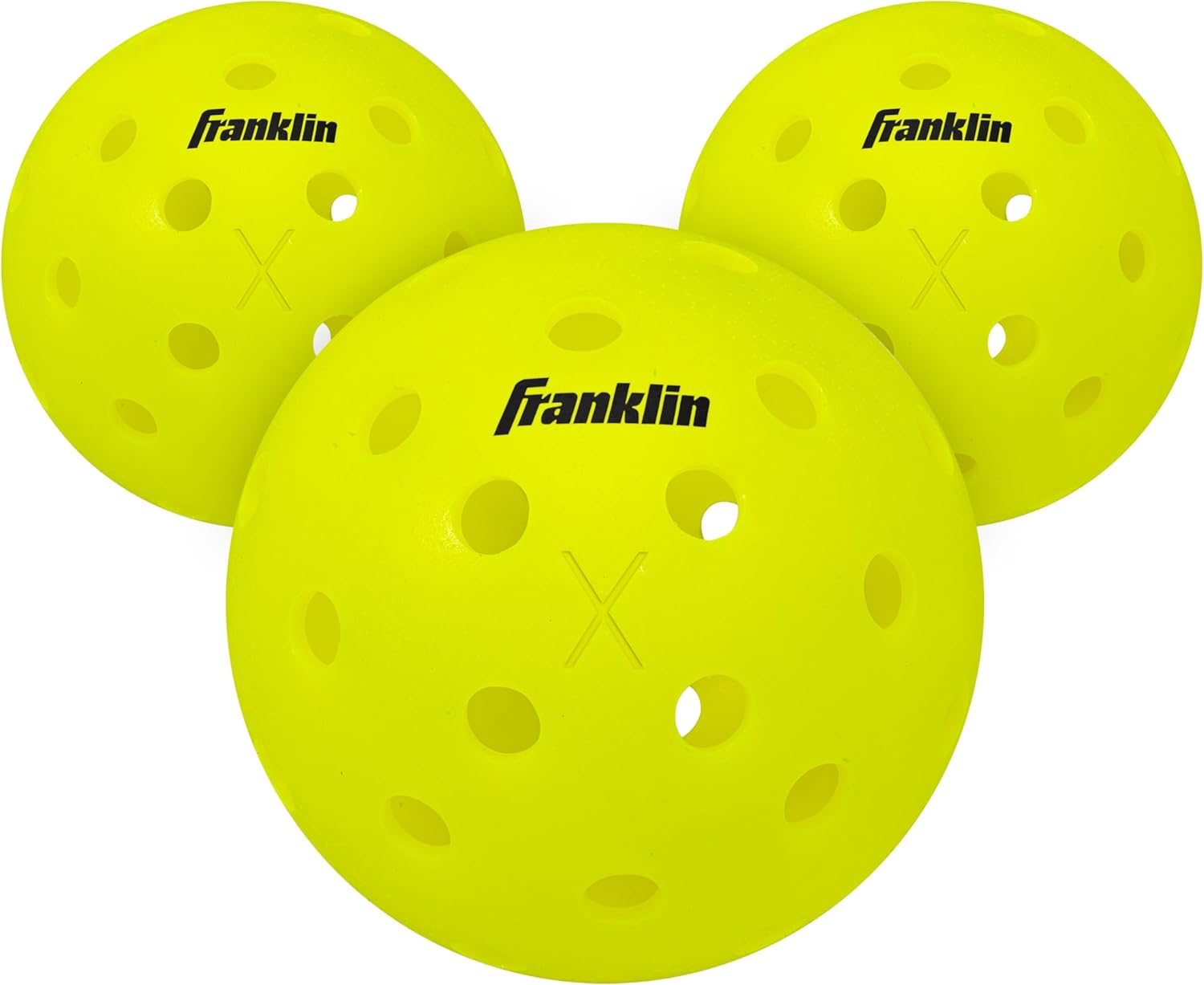
The standard outdoor ball. Practice what you learn with the same ball used in most open play.
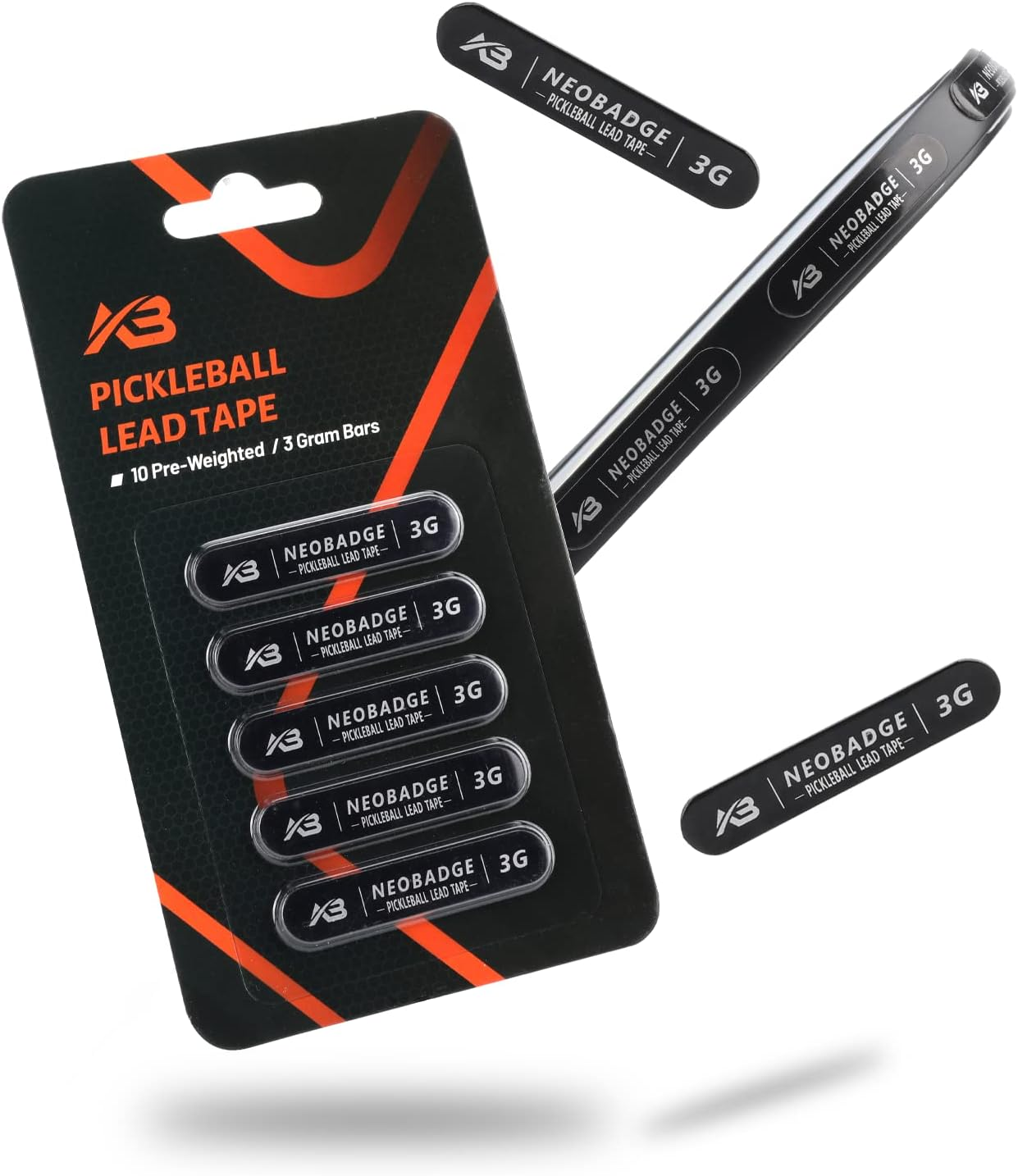
The $8 experiment that often outperforms a $200 paddle swap. Tune weight and balance.
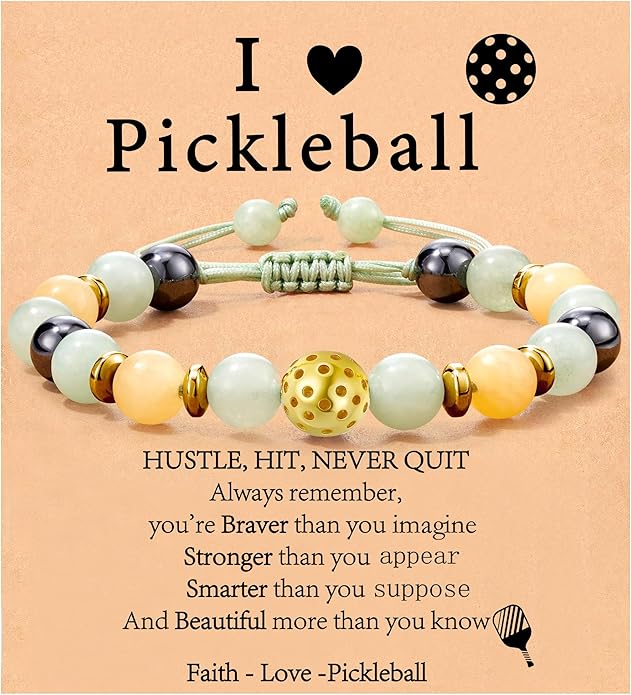
Identify your paddle at crowded courts. 500+ bought per month — the most popular accessory.

Court-specific lateral support. Learning proper footwork starts with the right shoe.
Frequently Asked Questions
Can the receiver volley the serve?
No. The receiver must let the serve bounce before hitting it. Volleying a serve is a fault and results in a point for the serving team.
What happens if I forget the rule and volley the return?
It is a fault. The rally ends immediately, and the receiving team wins the point (or the server loses their turn).
Does the ball have to bounce exactly twice?
The rule means 'at least' once on each side for the first two hits. After the ball has bounced once on each side, you can choose to either volley or let it bounce again. The restriction only applies to those first two shots.
Is the two-bounce rule different in singles?
No. The two-bounce rule applies equally to both singles and doubles play. In both formats, the serve and the return must bounce.
Master the Rules — Get the Complete Guide
The Pickleballers Next Door rulebook covers every rule in plain English — kitchen faults, serving violations, scoring, stacking, and more.
Available on Kindle and in print
Pickleballers Next Door Podcast
Court tips, gear reviews, player stories, and rules deep-dives — every week. Listen free wherever you get your podcasts.
Listen Free at PickleballersNextDoor.comHave a Rules Question?
Submit your pickleball rules question and we may answer it in an upcoming guide or podcast episode.